Punjab deploys drones in Rawalpindi to monitor traffic violations in real time
Rawalpindi has become one of the first major cities in Punjab to introduce drone surveillance for real-time monitoring of traffic violations, as authorities move toward technology-driven enforcement to reduce road accidents and improve safety standards. The initiative is being rolled out in the city’s busiest and most congested zones, where traditional policing struggles to keep pace with the high movement of vehicles.
Officials say that the programme marks a significant shift in how traffic regulations are enforced. Drone monitoring will help authorities identify violations instantly, enabling rapid response and more accurate tracking of offenders. The system operates alongside an expanded network of cameras installed across the city, creating a coordinated surveillance grid.
Chief Technology Officer Farhan Aslam described the move as part of a long-term plan to modernise traffic management. According to him, real-time drone surveillance allows police to act immediately against reckless behaviour rather than relying solely on ground patrols or manual reporting.
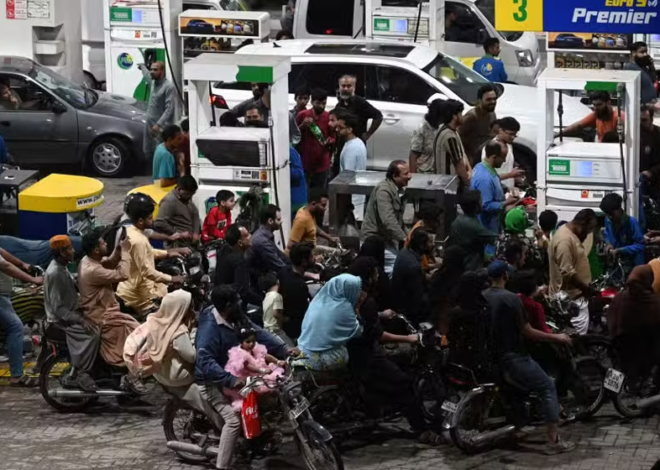
Authorities have highlighted three priority violations that will be closely monitored: underage driving, motorcyclists without helmets, and motorists using the wrong lane or direction. These issues are among the top contributors to accidents in congested urban areas, where traffic flow is often disrupted by routine violations.
The use of drones is also expected to help identify patterns in dangerous road behaviour and improve planning for future road safety interventions. Officials believe that technology-led enforcement can reduce the strain on policing resources while offering greater accuracy and transparency in handling violations.
Local administration has indicated that harsher penalties may accompany the increased monitoring, as authorities aim to send a strong message on compliance and road discipline. Public awareness campaigns are also expected to accompany the surveillance rollout, ensuring drivers understand the risks and consequences of unsafe conduct.
The initiative reflects a growing shift across Pakistan toward adopting smart governance tools for urban management. With rapid population growth and increasing vehicle numbers, cities are turning to digital systems to reduce hazards, optimise traffic flow, and enforce regulations more effectively.
For Rawalpindi, officials hope the deployment of drones will not only deter violations but gradually change driving habits in a city known for chronic congestion and unpredictable road behaviour.