Rising Incomes, Higher Expenses, and Fewer Homeowners in Pakistan
Pakistan’s latest Household Integrated Economic Survey 2024–25, released by the Pakistan Bureau of Statistics, reveals a complex economic picture with rising incomes, escalating expenses, shifts in housing, and rapid digital adoption.
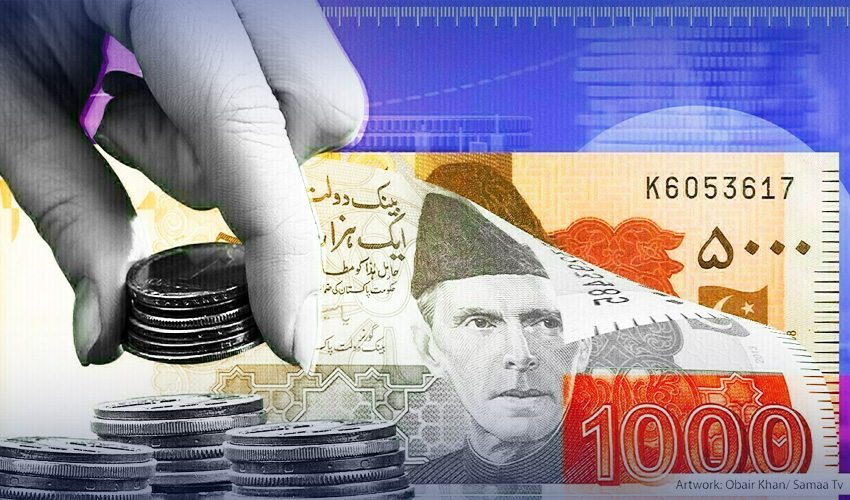
The survey shows that the average monthly household income increased by 97% over the past five years, reaching Rs82,179. However, household expenses grew even faster, rising 113% to Rs79,150 per month, putting pressure on families across the country. Spending was highest on furnishings, appliances, health, and food-related goods and services.
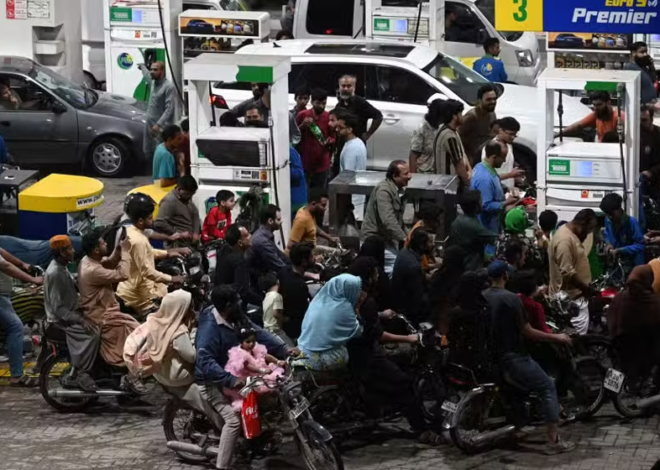
Food and energy costs have surged, with monthly spending on food and beverages up by 37% and energy-related expenses climbing 36%, highlighting the challenges of rising living costs.
Home ownership has declined slightly, dropping from 84% in 2018–19 to 82% in 2024–25, while the proportion of people living in rented homes increased to 10.5%. Population growth and economic pressures were cited as key drivers of this trend.
On a positive note, clean fuel usage rose from 35% to 38%, reflecting a move toward natural gas, LPG, biogas, and solar energy. Water access has improved too, with tap water usage increasing from 18% to 22% and filtered water from 9% to 10%. However, 7% of households still lack basic sanitation facilities, a continuing public health challenge.
The survey also highlights Pakistan’s digital transformation, with TikTok emerging as the largest income source among online platforms. About 88% of people earning online use TikTok, while 86% create content on YouTube. Internet access now reaches 70% of households, and mobile phone penetration stands at 50%, reflecting growing digital opportunities for education and business.
Education and health indicators have improved, including higher primary school enrollment and declining infant mortality rates. Yet, challenges remain, with 25 million children still out of school, and rapid population growth at 2.55% putting pressure on housing, public services, and infrastructure.
Federal Minister for Planning, Ahsan Iqbal, emphasized that the survey provides critical data for evidence-based policymaking. He noted Pakistan’s recent economic shocks, including the COVID-19 pandemic and trade deficits, and highlighted cautious optimism with GDP growth reaching 3.71% in the first quarter of 2026.
Officials said continued focus on peace, political stability, and digital governance is essential to accelerate development, improve household welfare, and support a resilient, data-driven economy.