PM Shehbaz Calls for New Palm Oil Production Policy to Boost Agricultural Exports
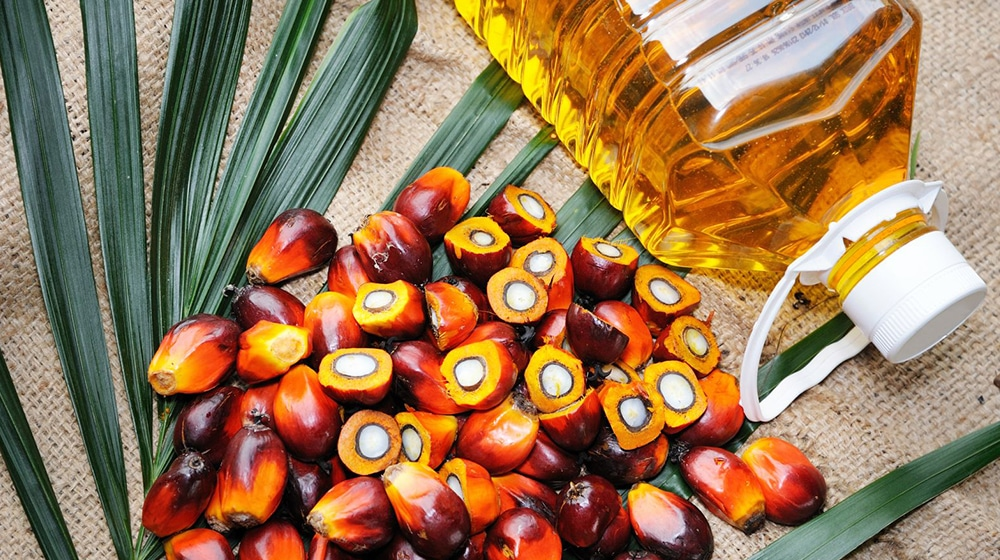
Prime Minister Shehbaz Sharif has called for the formulation of a comprehensive palm oil production policy aimed at strengthening Pakistan’s agricultural exports and reducing reliance on imports. The directive focuses on utilizing the country’s coastal belt for large-scale palm oil cultivation.
During a meeting on Tuesday, the prime minister asked relevant ministries and stakeholders to present concrete and actionable policy proposals. He emphasized that palm oil production along Pakistan’s coastal areas could unlock significant economic potential if supported by research-driven planning and modern farming practices.
Pakistan is one of the world’s largest importers of edible oil, particularly palm oil, which places consistent pressure on foreign exchange reserves. Developing domestic production capacity is seen as a strategic step toward improving the trade balance while creating new export opportunities.
PM Shehbaz highlighted that the government is already investing in agricultural research within existing financial resources. These efforts are focused on increasing per-acre yields through better seed varieties, climate-resilient crops, and improved farming techniques. He stressed that research-led agriculture is essential for long-term sustainability and competitiveness.
In addition to palm oil, the prime minister called for targeted measures to expand exports of fisheries, fruits, and value-added agricultural products. He noted that Pakistan’s coastal and rural regions hold untapped potential that can contribute significantly to export growth if supported through policy alignment and infrastructure development.
The fisheries sector, in particular, was identified as a priority area for modernization and export expansion. Improved cold-chain logistics, quality control, and international certification standards were discussed as key elements to enhance Pakistan’s presence in global seafood markets.
Similarly, the prime minister underscored the importance of shifting from raw agricultural exports to value-added products. Processing fruits and agricultural produce locally can increase export earnings, create employment, and strengthen rural economies.
Officials briefed the prime minister on ongoing initiatives and challenges related to agricultural productivity and export competitiveness. PM Shehbaz instructed them to ensure coordination between federal and provincial authorities so that policy proposals can be implemented efficiently.
The renewed focus on palm oil production aligns with the government’s broader economic agenda of import substitution, export-led growth, and improved food security. Analysts believe that if executed effectively, such a policy could reduce Pakistan’s edible oil import bill while opening new export channels over the medium to long term.
As global demand for edible oils and processed food products continues to rise, Pakistan’s move toward diversifying and strengthening its agricultural base may prove critical in enhancing economic resilience and export performance.