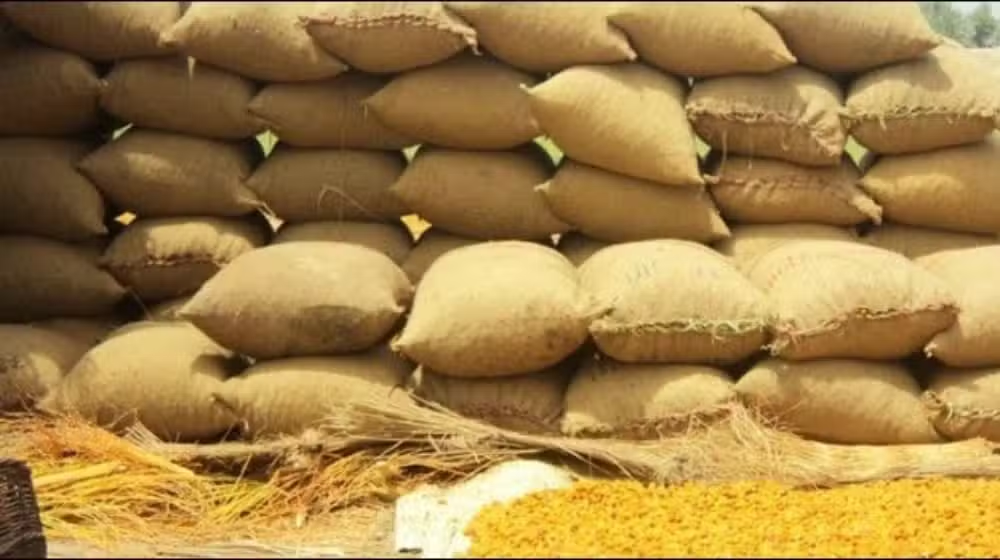
ECC Approves Sale of 500,000 Tons of Old Wheat Stock at Revised Prices
The Economic Coordination Committee (ECC) of the Cabinet has approved the sale of 500,000 metric tons of old wheat stock held by the Pakistan Agricultural Storage and Services Corporation. The decision aims to reduce storage pressure and minimize carrying costs amid shifting market conditions.
During its meeting on Tuesday, the Economic Coordination Committee agreed to offload the wheat through a transparent and competitive bidding process. The stock will be released on a First-In-First-Out (FIFO) basis to ensure older reserves are cleared before newer procurement enters the system.
Officials informed the committee that a previous attempt to sell the wheat at earlier approved reserve prices failed due to insufficient and uncompetitive bids. Market participants reportedly offered prices below expectations, preventing the transaction from being finalized.
In light of the existing inventory levels and the financial burden of prolonged storage, the ECC approved revised reserve prices. The new benchmark has been set at Rs. 4,150 per 40 kilograms for locally procured wheat, while imported wheat will be offered at Rs. 3,800 per 40 kilograms.
The wheat stocks are currently held by Pakistan Agricultural Storage and Services Corporation, commonly known as PASSCO. The agency plays a key role in maintaining strategic food reserves and stabilizing prices in the domestic market.
Carrying costs, including storage, maintenance, and financing charges, have been increasing over time. Prolonged retention of old stocks can also pose quality risks, making timely disposal essential for maintaining food security standards and fiscal efficiency.
The decision reflects the government’s effort to balance supply management with market realities. By revising reserve prices, the ECC aims to attract more competitive bids while ensuring that public sector resources are utilized efficiently.
Market analysts suggest that the move could help stabilize wheat availability in the open market and improve liquidity within the agricultural supply chain. Releasing stock through competitive bidding is also expected to maintain transparency and prevent market distortions.
The development comes at a time when food security and commodity pricing remain sensitive economic issues. Wheat, being a staple crop in Pakistan, directly influences inflation trends and household spending patterns.
With the revised pricing structure in place, stakeholders will now closely watch the bidding process to assess participation levels and overall market response.