Pakistan to Launch First Phase of $10 Billion ML-1 Railway Project in Early 2027
The federal government has announced that construction on the first phase of the Main Line-1 (ML-1) railway project is set to begin early next year, marking a major milestone in Pakistan’s efforts to modernize its rail transport network. The long-awaited project, which forms a key part of the China-Pakistan Economic Corridor (CPEC), is expected to significantly improve connectivity, passenger travel, and freight transportation across the country.
Planning Minister Ahsan Iqbal shared the update during the launch of the government’s monthly development report for fiscal year 2026. He confirmed that work will commence with the Rohri-Karachi section, which has been selected as the first phase of the nationwide railway upgrade.
The initial phase of the project will be financed by the Asian Development Bank (ADB), which has committed approximately $2 billion to support construction. The funding represents a significant step toward the implementation of one of Pakistan’s largest transport infrastructure projects.
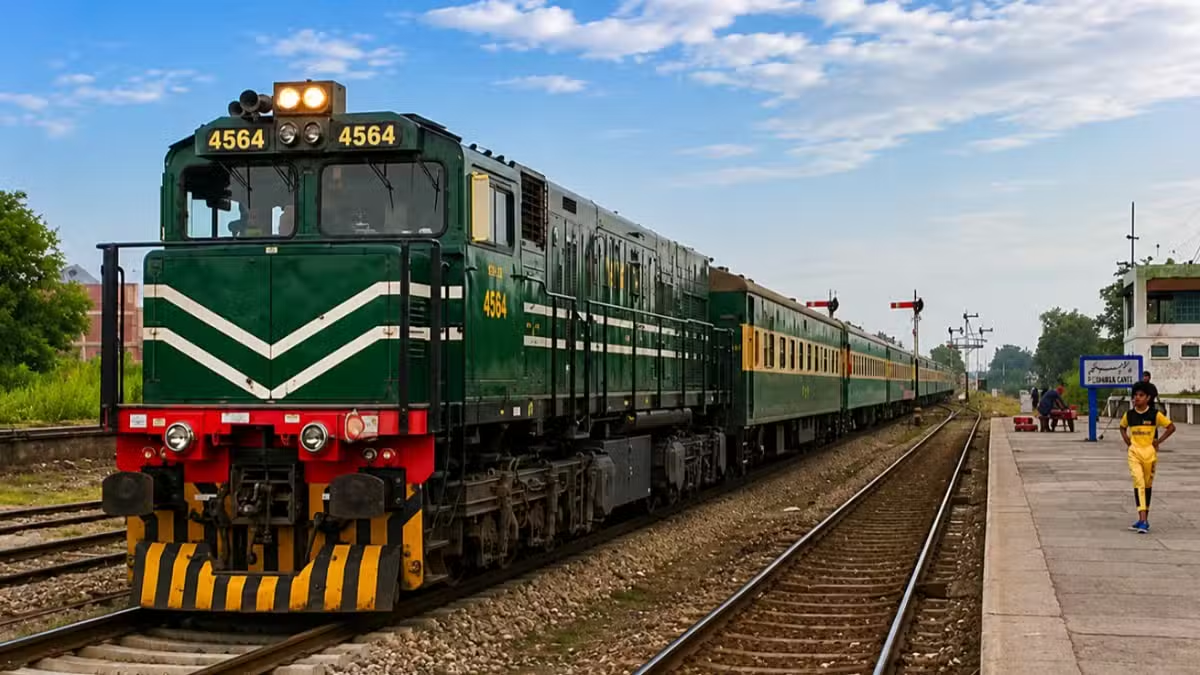
The complete ML-1 project involves upgrading the 1,680-kilometer railway line connecting Peshawar and Karachi. Once completed, the project is expected to cost around $10 billion and will transform the country’s primary rail corridor through improved tracks, upgraded signaling systems, and modern railway infrastructure.
The modernization of the railway network is expected to increase train speeds, improve operational efficiency, and enhance safety standards. Faster and more reliable rail services will benefit millions of passengers while also reducing transportation costs for businesses that rely on freight movement between major cities.
The ML-1 project is widely regarded as one of the most important infrastructure initiatives under CPEC. By strengthening Pakistan’s transportation network, the project aims to support economic growth, facilitate trade, and improve regional connectivity. Upgraded railway infrastructure is also expected to reduce pressure on road transport by shifting a larger share of cargo to rail.
Officials believe the project will create employment opportunities during construction while delivering long-term economic benefits through enhanced logistics and improved mobility. Modern railway infrastructure can also help attract investment by providing businesses with more efficient transportation options.
The government’s decision to begin construction with the Rohri-Karachi section reflects a phased implementation strategy that allows work to move forward while financing for the remaining sections is finalized. As construction progresses, additional phases will extend the modernization effort across the entire Peshawar-Karachi route.
With the first phase scheduled to begin early next year, Pakistan is moving closer to delivering one of its most ambitious railway modernization projects. The successful completion of ML-1 is expected to reshape the country’s transport sector, strengthen economic connectivity, and support long-term national development.