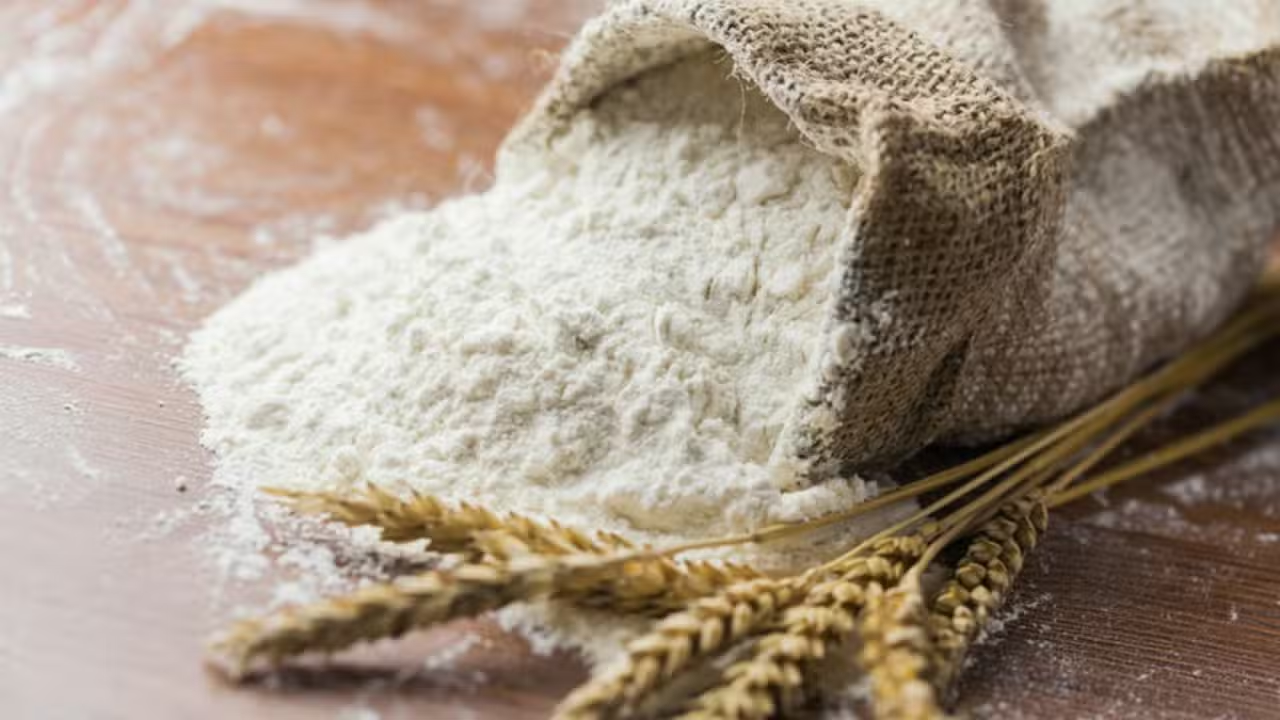
Punjab Approves Rs. 10 Billion Subsidy to Keep Flour Prices Affordable
The Punjab government has approved a Rs. 10 billion subsidy to help keep flour prices affordable across the province following a sharp increase in the cost of the essential food item. Chief Minister Maryam Nawaz has directed officials to take immediate steps to ease the financial pressure on consumers.
According to ARY News, the chief minister expressed concern over rising flour prices and called an emergency meeting through video link to review the situation. She instructed the relevant authorities to ensure the availability of affordable flour and wheat to the public.
The provincial government has also decided to increase the official wheat quota allocated to flour mills. The move is intended to improve wheat supplies and support flour production amid concerns over rising prices.
As part of the measures, the government decided to raise the wheat supply rate to Rs. 3,800 per maund. The revised rate is expected to play a role in the government’s efforts to manage flour prices and maintain supplies to the market.
Punjab Government Announces Relief Measures for Consumers
Flour is a staple food for millions of households in Punjab, making price changes a significant concern for families managing daily expenses. Higher flour prices can place additional pressure on household budgets, particularly for low-income consumers who spend a substantial portion of their income on essential food items.
The newly approved subsidy aims to reduce that pressure by supporting the supply of flour at more affordable rates. However, the actual relief available to consumers will depend on how the subsidy is implemented and whether the benefits reach retail markets across the province.
Increasing wheat allocations to flour mills is another key part of the government’s response. A higher official quota could help mills secure additional wheat for processing, potentially supporting flour production and improving availability.
The revised wheat supply rate of Rs. 3,800 per maund is also part of the announced plan. The impact on retail prices will depend on procurement and distribution arrangements, production costs, and the prices charged by flour sellers.
Affordable Flour Supply Remains a Key Concern
The Punjab government’s announcement comes as authorities seek to address concerns about the affordability of essential food commodities. Flour prices are closely watched because of their direct impact on household spending and food security.
The effectiveness of the Rs. 10 billion subsidy will depend on transparent distribution, adequate supplies, and effective monitoring of flour prices. Ensuring that subsidized flour reaches the intended consumers will be an important part of the implementation process.
Consumers will also be looking for clear information about the availability of subsidized flour, eligible purchase locations, and the prices they can expect to pay. Any further government announcements on these matters could help households understand how the relief package will work in practice.
The chief minister’s emergency meeting and the subsequent decisions signal an immediate provincial response to rising flour prices. The government has announced financial support, an increase in wheat quotas for flour mills, and a revised wheat supply rate as part of its plan to improve affordability.
Further details regarding distribution arrangements, retail price targets, and the implementation timeline have not been provided in the supplied report. These details will be important in determining how quickly the measures translate into relief for consumers across Punjab.