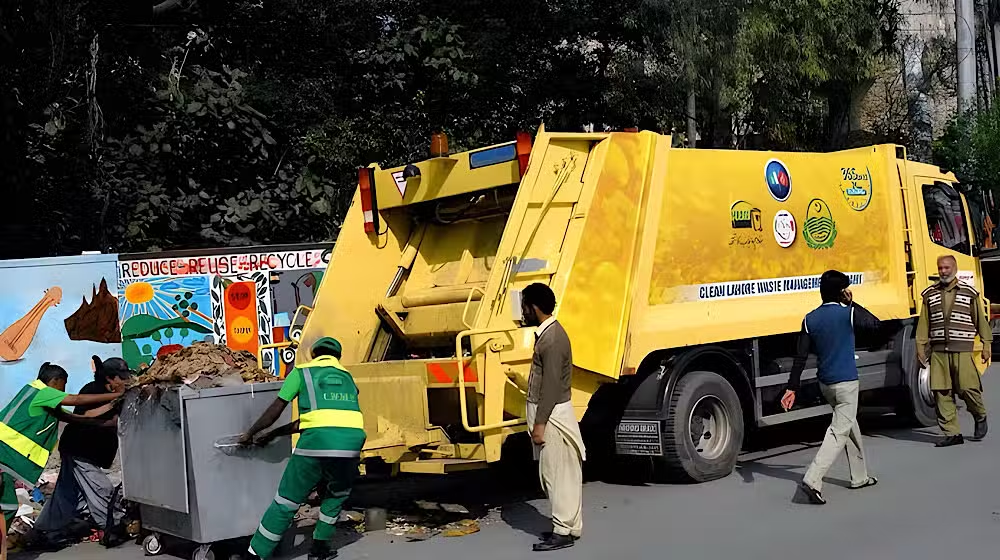
The Punjab Chief Minister Inspection Team (CMIT) has uncovered serious administrative and operational shortcomings in the Lahore Waste Management Company (LWMC), raising concerns about vehicle maintenance, fuel consumption and financial oversight. The findings emerged after surprise inspections of the Suthra Punjab Programme, prompting calls for a special audit of the company’s operations and expenditures.
According to the inspection report, several irregularities were identified in the management of vehicles and machinery used for waste collection and sanitation services in Lahore. The findings have led the provincial government to direct the relevant authorities to take corrective measures and improve accountability within the organisation.
The report has also highlighted the need for a detailed examination of the company’s operational expenses to ensure that public funds are being used efficiently.
The four major issues identified during the inspection are outlined below.
1. Discrepancies in Vehicle Maintenance Records
One of the key concerns raised by the CMIT involves gaps in vehicle maintenance records. Proper documentation is essential for tracking repairs, monitoring vehicle performance and ensuring that sanitation vehicles remain operational.
Incomplete or inconsistent records can make it difficult to verify whether maintenance work has been carried out as reported. The inspection findings have therefore raised questions about the effectiveness of existing record-keeping procedures at LWMC.
2. Mismatches Between Workshop Records and Vehicle Tracking Data
The inspection team also identified discrepancies between workshop records and information available through the vehicle tracking system. These inconsistencies point to a need for improved coordination between maintenance departments and digital monitoring systems.
Accurate tracking data is important for verifying vehicle movement, usage and operational performance. Differences between the two sets of records may complicate efforts to assess how vehicles are being used and maintained.
The authorities are expected to examine these gaps as part of the broader effort to strengthen administrative controls and improve transparency.
3. Concerns Over Fuel Consumption and Vehicle Mileage
Fuel consumption and vehicle mileage have emerged as major areas of concern in the inspection report. Monitoring these expenses is particularly important for a waste management organisation that depends on a large fleet of vehicles to maintain sanitation services.
The findings have prompted recommendations for a special audit to examine fuel usage and mileage records. The proposed review is intended to help determine whether fuel expenses are properly documented and consistent with vehicle operations.
The audit could also help authorities identify weaknesses in fuel management and establish stronger monitoring procedures. However, the inspection findings alone do not establish that financial misconduct has occurred.
4. Nonfunctional Vehicles and Machinery Repair Expenses
The inspection report also identified a significant number of nonfunctional vehicles, raising concerns about fleet management and the availability of equipment required for sanitation operations.
Vehicles that remain out of service can affect operational efficiency and place additional pressure on the available fleet. Their condition also makes it important to review repair and maintenance spending to understand whether resources are being used effectively.
The proposed special audit will examine expenditure on machinery repairs and maintenance alongside fuel consumption and mileage. This review could help the authorities assess whether existing maintenance arrangements require administrative improvements.
Following the findings, the Punjab chief minister directed the relevant administrative department to address the identified deficiencies and take corrective action. Special attention has been given to the proposed audit of LWMC to establish greater financial and operational accountability.
Reportedly, the Auditor General of Pakistan has asked for an audit team to be deployed at the earliest opportunity to examine the company’s fuel consumption, vehicle mileage, and repair and maintenance expenses.
The audit is expected to provide a closer examination of the company’s expenditure records and operational practices. Its findings could help the authorities determine what corrective measures are needed to improve oversight and resource management.
The Lahore Waste Management Company plays an important role in maintaining cleanliness across the provincial capital. Effective vehicle management, reliable maintenance records and transparent spending are essential for ensuring that sanitation operations run smoothly.
The issues identified by the CMIT highlight the importance of regular inspections and strong internal controls in public-sector organisations. The outcome of the proposed audit will be important in determining whether the identified weaknesses can be addressed through administrative reforms, improved monitoring and more effective financial management.