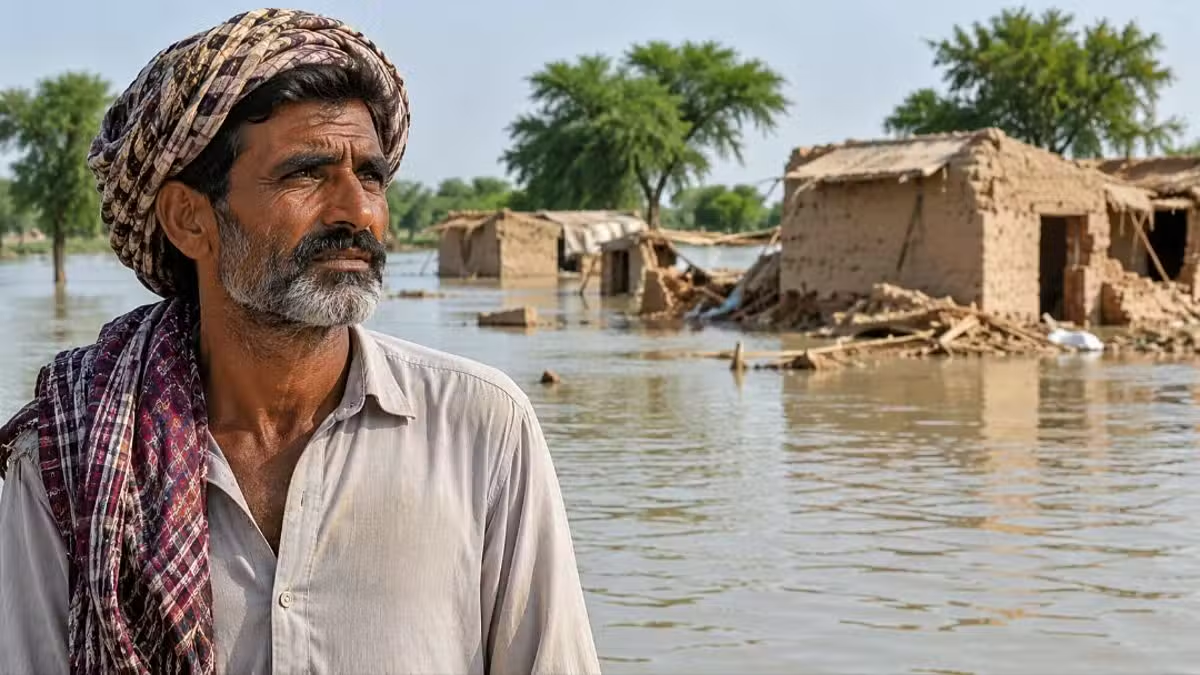
Thirty-nine farmers from Pakistan’s Sindh province have filed a lawsuit against two major German companies, seeking compensation for the extensive damage caused by the devastating floods of 2022. The legal action highlights growing international debate over corporate responsibility for greenhouse gas emissions and the financial consequences of climate change.
The farmers have brought their case against German energy company RWE and cement manufacturer Heidelberg Materials. They argue that emissions generated by the companies contributed to global warming, which intensified extreme rainfall and worsened the flooding that destroyed their livelihoods, homes, crops and livestock.
Unlike lawsuits targeting specific industrial activities within a particular country, this case focuses on the companies’ estimated contributions to global industrial greenhouse gas emissions. The plaintiffs believe that major emitters should bear some responsibility for the damage experienced by communities that are particularly vulnerable to climate-related disasters.
According to the farmers’ estimates, RWE contributed approximately 0.68 percent of global industrial emissions, while Heidelberg Materials accounted for around 0.12 percent. These figures form part of the legal argument presented by the plaintiffs as they seek compensation for their losses.
Both German companies have denied wrongdoing. The case raises important legal questions about whether businesses can be held financially responsible for the consequences of their historical emissions, particularly when climate-related damage occurs thousands of kilometres away from their operations.
The lawsuit comes in the aftermath of Pakistan’s catastrophic 2022 floods, which affected approximately one-third of the country. The disaster killed around 1,700 people and affected nearly 30 million others, leaving communities across several provinces struggling with destroyed infrastructure, damaged agricultural land and widespread displacement.
Sindh was among the regions severely affected by the disaster. Floodwaters submerged agricultural fields, destroyed standing crops and killed livestock, creating serious economic difficulties for farming families who depended on agriculture for their income.
For many farmers, the consequences continued long after the floodwaters receded. Damaged homes, lost agricultural production and the cost of rebuilding placed additional pressure on families already facing financial uncertainty.
Abdul Hafeez Khoso, a 43-year-old farmer from Jacobabad, described the flooding as an unprecedented experience. He said that even older generations in his family had never witnessed such extreme weather conditions.
His account reflects the experiences of numerous farming communities in Sindh, where the 2022 disaster disrupted agricultural activities and damaged sources of livelihood.
The legal action also brings attention to the wider issue of climate justice. Developing countries such as Pakistan often face severe consequences from extreme weather events despite having comparatively limited contributions to historical global emissions.
The farmers’ lawsuit could become an important development in discussions about climate accountability and the responsibilities of major industrial companies. Its outcome may also influence how courts approach claims involving greenhouse gas emissions and climate-related financial losses.
However, the legal process will need to establish whether the companies’ emissions can be sufficiently linked to the specific damage suffered by the plaintiffs. The farmers will also need to support their compensation claims through the relevant legal and scientific evidence.
As the case moves forward, it is likely to attract attention from climate experts, environmental organisations and legal observers. For the affected farmers, the lawsuit represents an attempt to seek compensation for losses that have continued to shape their lives since Pakistan’s devastating 2022 floods.