Pakistan Plans Complete Redesign of Currency Notes; Old Notes to Remain Valid
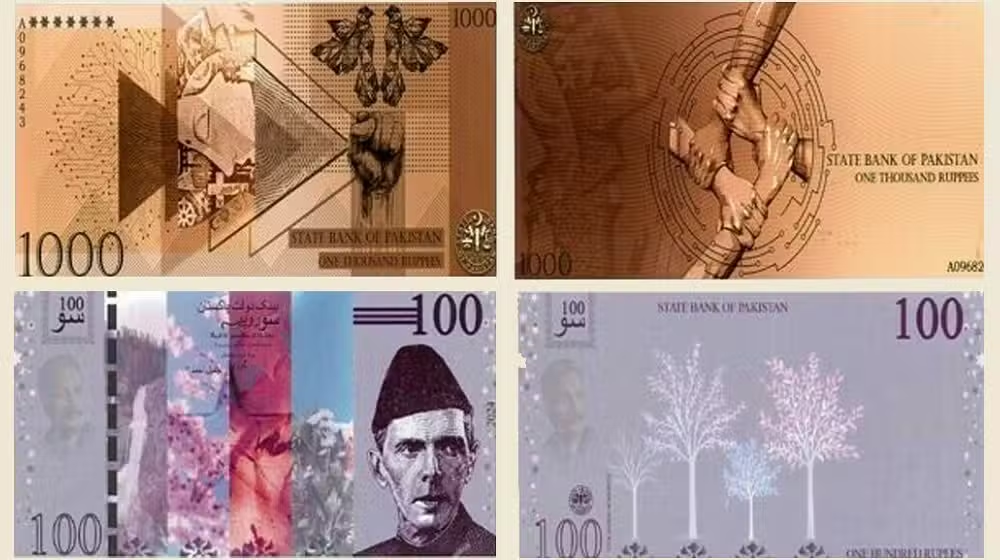
Pakistan is preparing for a major update to its national currency system as the federal government has decided to redesign all currency notes ranging from Rs. 10 to Rs. 5,000. The move is aimed at modernizing banknotes, enhancing security features, and aligning Pakistan’s currency with international standards, according to sources familiar with the development.
Alongside redesigned paper notes, authorities are also planning to introduce a plastic polymer note. This will mark a notable shift in Pakistan’s currency landscape, as polymer notes are known for their durability and advanced anti-counterfeiting features. However, officials have clarified that polymer notes will coexist with paper currency rather than fully replacing it.
A key reassurance for the public is that no existing currency note will be demonetized. All current notes in circulation will remain legal tender, meaning citizens will not lose the value of their cash holdings. Instead, old notes will gradually be replaced with newly designed versions over time.
Sources within the Ministry of Finance have indicated that the redesigned currency notes are expected to be introduced during the current year. The new designs will feature updated security elements to help combat counterfeiting and improve overall confidence in the currency.
Officials revealed that Pakistan currently has approximately Rs. 10,260 billion worth of currency in circulation across the country. Given the scale of cash usage, the government is planning a structured and phased approach to ensure a smooth transition from old designs to new ones.
To facilitate this process, banks across Pakistan will be given a clear timeline for exchanging existing notes with newly designed currency. This timeline will be communicated officially to financial institutions to ensure consistency and avoid confusion among account holders and cash users.
The gradual replacement strategy is intended to minimize disruption to daily transactions and business activity. By allowing old and new notes to circulate simultaneously, authorities aim to ensure that markets, retailers, and consumers can adapt without pressure or uncertainty.
Introducing polymer notes also reflects a broader trend among central banks worldwide. Many countries have adopted polymer currency due to its longer lifespan, resistance to wear and tear, and enhanced security capabilities. Pakistan’s move suggests a willingness to adopt proven international practices while retaining traditional paper notes.
While detailed designs and exact rollout dates have not yet been announced, officials emphasize that public awareness will be a priority. Clear communication will be essential to ensure people understand how and when they can exchange notes, and to prevent misinformation.
Overall, the decision to redesign all currency notes represents a significant modernization effort. By upgrading security features, introducing polymer notes, and keeping existing cash valid, the government aims to strengthen trust in Pakistan’s currency system while ensuring a smooth and inclusive transition for the public.