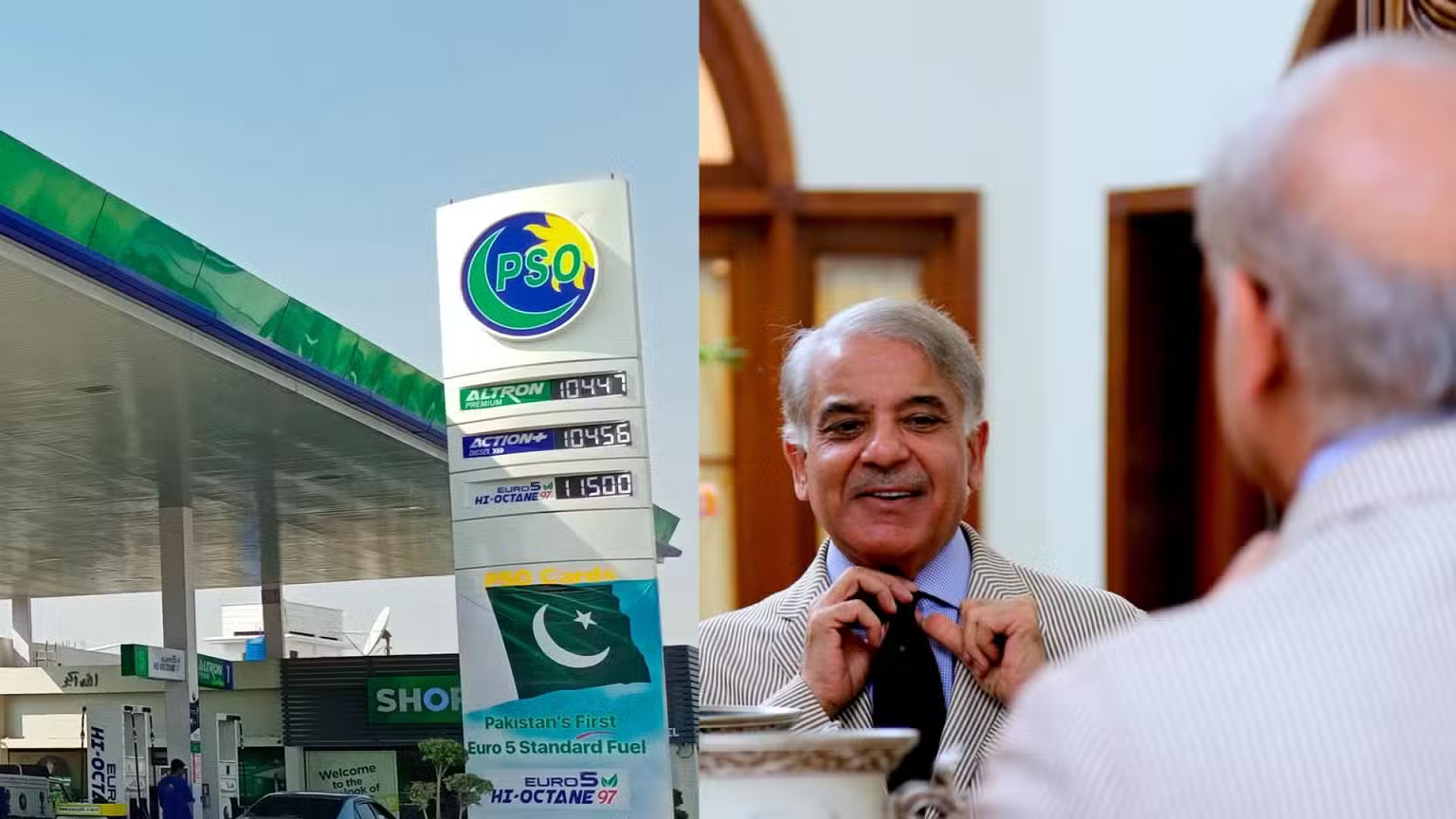
The federal government has adjusted the petroleum levy on petrol to prevent higher international import costs from increasing prices for consumers in Pakistan. Under the latest pricing arrangement effective October 31, 2026, local refineries have been made to absorb the additional financial burden while the government reduces the levy collected at petrol pumps.
According to a research note by Topline Research and the latest petroleum price notification, the decision comes after a significant increase in the import premium, including freight charges. The development reflects the government’s approach to managing rising fuel procurement costs without immediately passing the full impact on to consumers.
The import premium, including freight, has increased from $19.88 per barrel to $25.52 per barrel. This change has added approximately Rs. 14.71 per litre to the cost of petrol, creating additional pressure on the country’s petroleum pricing structure.
Instead of allowing the increase to translate into higher retail prices, the government has reduced the direct petroleum levy charged at the pump. The levy has been brought down from Rs. 80 per litre to Rs. 65.29 per litre, effectively offsetting the additional import-related cost.
The latest notification places the total petrol price at Rs. 377.91 per litre, excluding secondary freight. The pricing structure includes a direct petroleum levy of Rs. 65.29 per litre and a climate support levy of Rs. 5 per litre.
Petrol also remains exempt from sales tax under the announced pricing arrangement.
The adjustment means the government is using a reduction in its per-litre levy collection to accommodate higher import expenses. At the same time, local refineries are expected to absorb the additional cost rather than allowing it to be fully reflected in the price paid by motorists.
This approach is significant because Pakistan relies heavily on imported petroleum products and crude oil to meet its energy requirements. Changes in international oil prices, shipping expenses, insurance and import premiums can influence the domestic fuel market.
When these costs increase, the government faces a difficult decision between passing the additional burden to consumers or adjusting taxes and levies to maintain existing retail prices. Higher petrol prices can affect household budgets as well as transportation, agriculture, manufacturing and other economic activities.
Petroleum levies are also an important source of government revenue. Reducing the levy can therefore limit the amount collected from fuel sales, creating a potential trade-off between consumer relief and public finances.
The latest arrangement highlights how petroleum pricing involves several components beyond the international cost of crude oil. Import premiums, freight charges, refinery costs, government levies and other adjustments all contribute to the final price consumers pay at petrol stations.
For motorists, keeping petrol at Rs. 377.91 per litre means avoiding the immediate impact of the reported Rs. 14.71 per litre increase in import-related costs. However, the longer-term effect will depend on international petroleum prices, future import expenses and subsequent government pricing decisions.
The October 31 notification therefore represents an adjustment in how the additional fuel costs are distributed between the government and local refineries, rather than a reduction in the underlying cost of importing petrol.