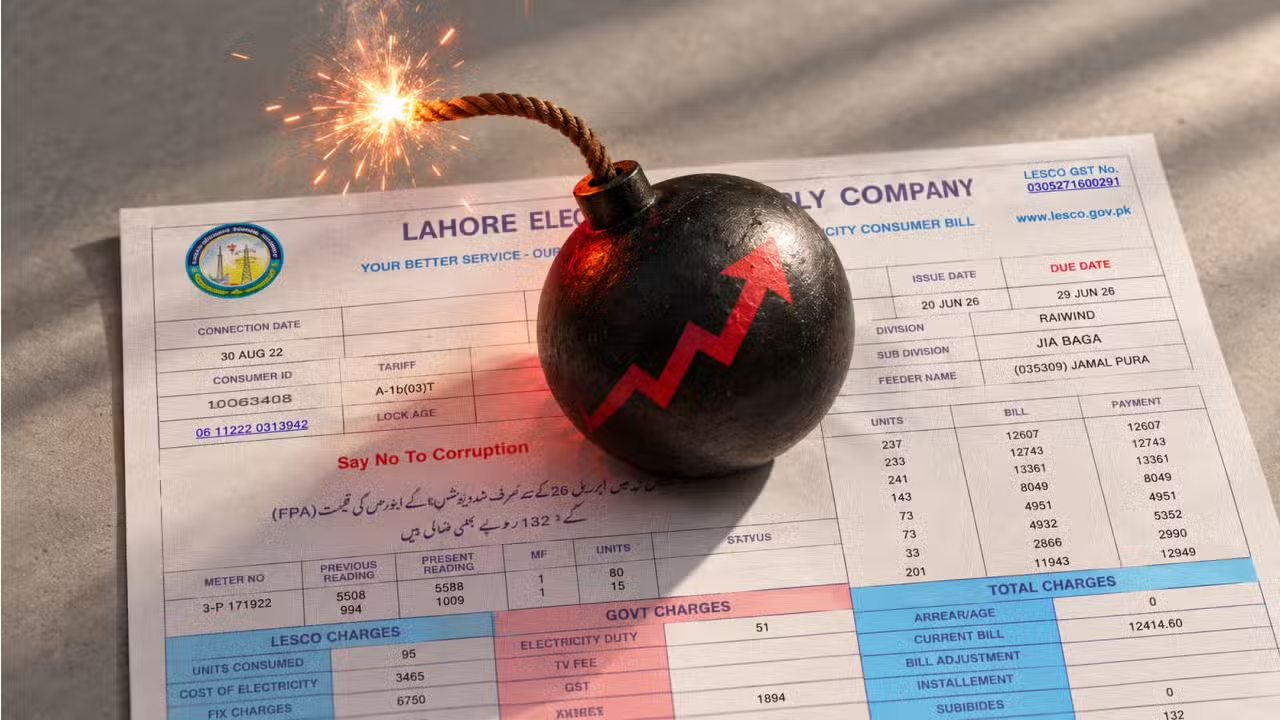
Large electricity consumers in Pakistan could face higher costs for using shared power infrastructure under a set of proposed regulatory changes by the National Electric Power Regulatory Authority (NEPRA).
The proposed amendments focus on several areas of electricity connections, including shared grid infrastructure, dedicated equipment and temporary connections for different categories of consumers.
NEPRA has proposed changes to the Consumer Service Manual that could affect high-rise buildings, industrial units and commercial consumers using distribution company infrastructure.
One of the key areas under review is the use of shared electricity infrastructure. Changes to the existing framework could influence how costs associated with common power facilities are allocated among consumers.
The proposals are part of NEPRA’s wider regulatory review of electricity connection procedures and consumer services. The changes are intended to update existing rules in response to changing requirements in the power sector.
High-rise buildings could also be affected by the proposed amendments. The revised provisions would clarify how distribution companies manage electricity connections where multiple consumers or users depend on shared infrastructure.
Industrial and commercial consumers are another major category covered by the proposed changes. Any adjustment in connection-related charges or infrastructure arrangements could have an impact on operating costs for businesses that require substantial electricity supplies.
NEPRA has also proposed revisions concerning dedicated equipment. Such equipment can be required in cases where a consumer needs specific electricity infrastructure to support a connection or higher power demand.
Another area covered by the proposals involves temporary connections and disconnections. Changes to these rules could affect consumers that require electricity services for limited periods or temporarily suspend their connections.
The regulator has also proposed removing a requirement related to electric vehicle charging stations. This change follows the government’s decision to liberalize sales margins in the electric vehicle charging sector.
The proposed amendment indicates an effort to align electricity regulations with developments taking place in Pakistan’s emerging electric vehicle market.
However, the changes have not yet become final. NEPRA has invited stakeholders to submit their views and recommendations before making a final decision on the proposed amendments.
Stakeholders have been given 30 days to submit their comments, with October 25 set as the deadline for feedback.
The consultation process will allow electricity consumers, businesses, distribution companies and other relevant stakeholders to review the proposals and communicate their concerns or suggestions to the regulator.
If approved, the amendments could change several aspects of electricity connection management for large consumers across Pakistan. The financial impact would depend on the final rules and the way distribution companies implement them.
For industrial and commercial users, electricity infrastructure costs are an important part of overall operating expenses. Any changes in connection or infrastructure charges could therefore become relevant for businesses planning new facilities or modifying existing electricity connections.
Consumers affected by the proposals will need to follow NEPRA’s final decision after the consultation process is completed. Until then, the proposed amendments should be viewed as regulatory changes under consideration rather than confirmed increases in electricity bills.