The Sindh Irrigation Department has come under scrutiny after an audit identified financial irregularities and violations of government rules involving Rs. 23.95 billion during the 2024-25 financial year.
The findings have raised questions about the management of public funds allocated for maintaining irrigation infrastructure and implementing development projects across the province.
According to a 54-point audit report, several financial and administrative irregularities were identified in the department’s operations. The observations include alleged manipulation of contract awards, questionable procurement practices and payments made without following prescribed government procedures.
The Auditor General of Pakistan has forwarded the detailed audit report to the Sindh Irrigation Secretary for further action. The report is expected to bring attention to financial management practices and compliance with established rules within the department.
The reported irregularities involve billions of rupees intended for projects and activities connected with Sindh’s irrigation system. The provincial irrigation network plays an important role in supporting agriculture, managing water distribution and maintaining canals and other water-related infrastructure.
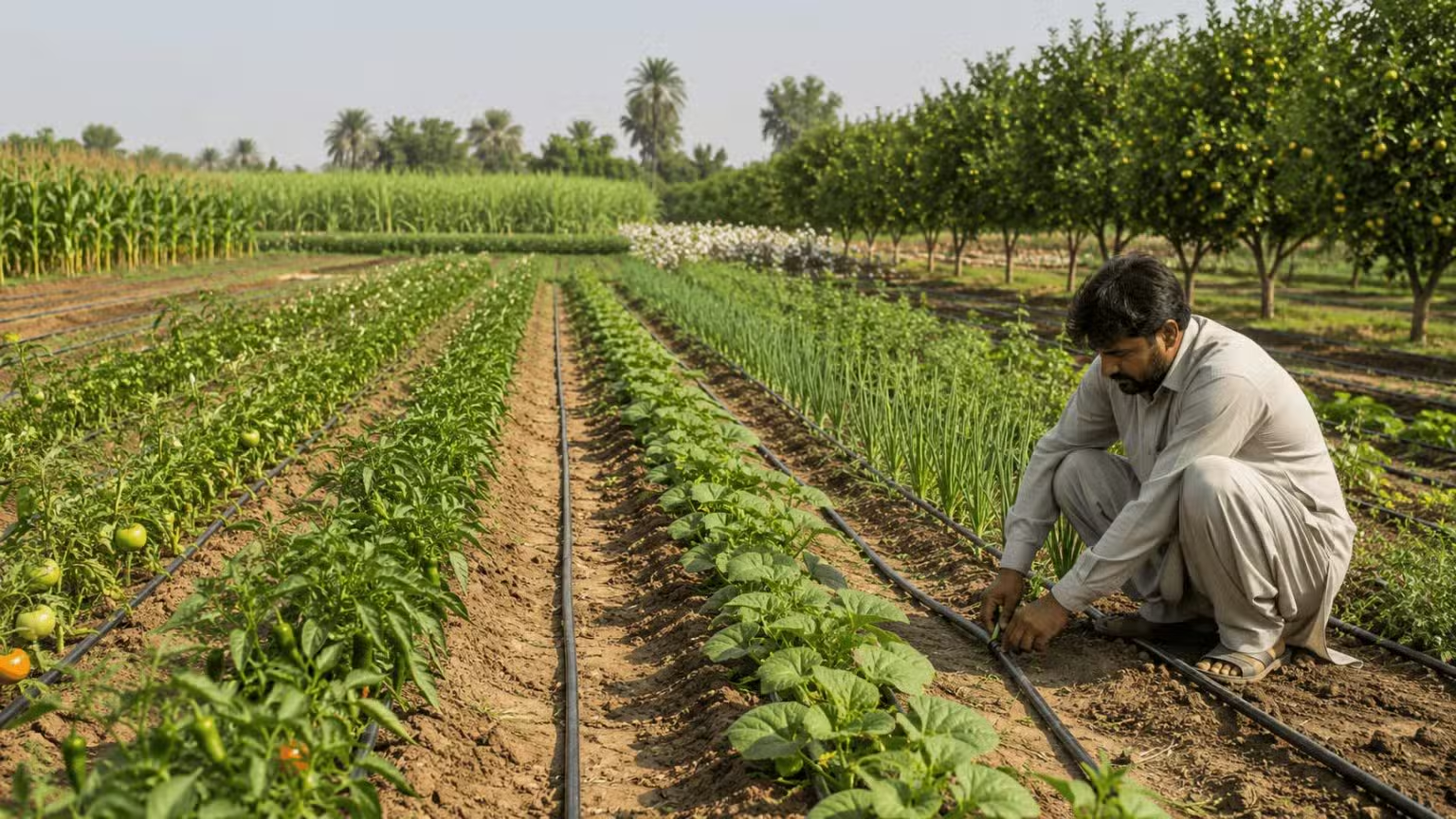
Sindh’s agricultural economy depends heavily on an effective irrigation system. Canals, barrages, distributaries and drainage networks are essential for delivering water to farming communities and supporting agricultural production across different districts.
Financial irregularities in departments responsible for these services can raise concerns about the transparency and efficiency of development spending. Proper utilisation of allocated funds is particularly important for maintaining infrastructure and ensuring that approved projects deliver their intended benefits.
The 54 audit observations reportedly cover different aspects of financial administration. Contract management and procurement procedures are among the areas highlighted, while payments allegedly made in violation of prescribed rules have also attracted attention.
Government procurement regulations are designed to promote transparency, competition and accountability when public departments purchase goods, services or award development contracts. Following these procedures helps ensure that public money is spent according to approved requirements.
Similarly, financial controls are necessary to verify that payments are supported by proper documentation, authorised approvals and evidence of completed work.
The Rs. 23.95 billion figure represents the financial irregularities and rule violations identified in the audit observations. However, audit objections should not automatically be treated as proof of corruption or criminal wrongdoing. Their nature and final status depend on departmental responses, supporting records and any subsequent investigations or proceedings.
The forwarding of the report to the Sindh Irrigation Secretary marks an important step in the official review process. The department’s response and any corrective measures will be relevant in determining how the observations are addressed.
The findings also highlight the importance of strengthening internal financial controls and improving oversight of development projects. Regular monitoring, transparent contract awards and proper verification of expenditures can help reduce the risk of financial mismanagement.
As the audit observations move towards further examination, attention will remain on the Sindh Irrigation Department’s response and the steps taken to address the reported irregularities.
The outcome of the review could have implications for financial accountability and the management of irrigation development funds in Sindh, particularly as the province continues to depend on its water infrastructure for agricultural and economic activities.