UAE Fuel Prices Surge Up to 72% Amid Escalating Gulf Energy Pressures
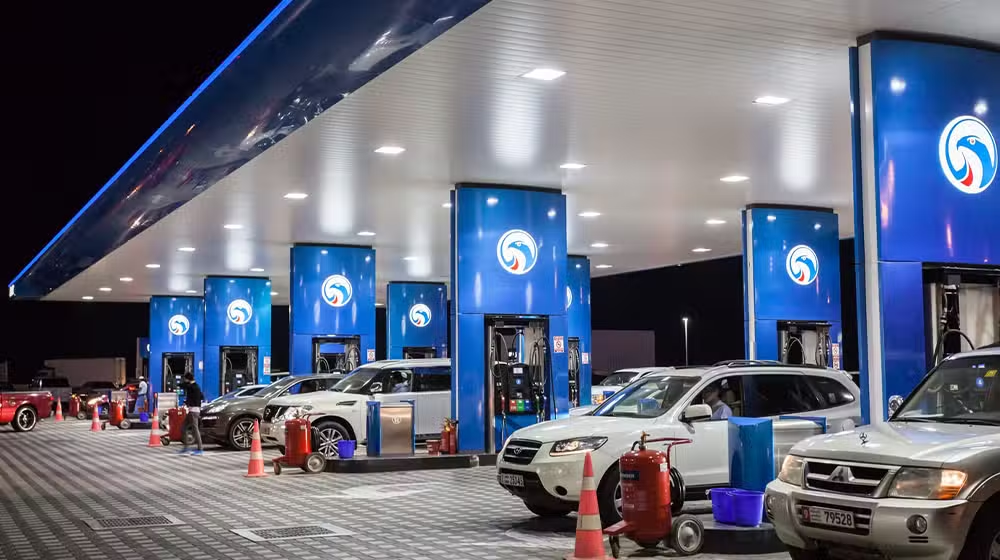
Fuel prices in the United Arab Emirates have witnessed a sharp increase effective April 1, 2026, as global oil market volatility and rising geopolitical tensions continue to impact the region’s energy landscape.
The price revision, confirmed by the UAE Fuel Price Committee, reflects significant hikes across all fuel categories. Diesel recorded the steepest jump, soaring by 72 percent to Dh4.69 per litre, compared to its previous rate of Dh2.72. This marks one of the most substantial increases in recent years.
Petrol prices have also surged notably. Super 98 petrol has risen by 30 percent to Dh3.39 per litre, while Special 95 petrol increased by 32 percent to Dh3.28. Meanwhile, E-Plus petrol saw a 33.3 percent hike, reaching Dh3.20 per litre.
These developments come amid heightened uncertainty in global energy markets, where supply constraints and regional tensions have driven oil prices upward. The Gulf region, despite being a major energy producer, remains sensitive to global pricing trends and geopolitical shifts.
The increase in fuel prices is expected to have a ripple effect across various sectors, including transportation, logistics, and consumer goods. Higher fuel costs often translate into increased operational expenses, which may ultimately be passed on to consumers in the form of higher prices.
For businesses operating in the UAE, the sudden surge presents new challenges in cost management and pricing strategies. Industries heavily reliant on fuel, such as aviation and freight, are likely to feel the impact most significantly.
Economists suggest that such price adjustments are part of a broader effort to align domestic fuel rates with international market conditions. However, the scale of the increase highlights the intensity of current pressures in the global energy market.
As the situation evolves, both businesses and consumers will be closely monitoring fuel price trends and their broader economic implications. The latest hike underscores the ongoing volatility in energy markets and its direct impact on everyday costs in the region.

Related Posts

Government Calls Emergency Meeting as Petrol Dealers Reject Fuel Subsidy Mechanism

Pakistan’s Non-Life Insurance Market Estimated at $1 Billion as Digitalization Drives New Opportunities