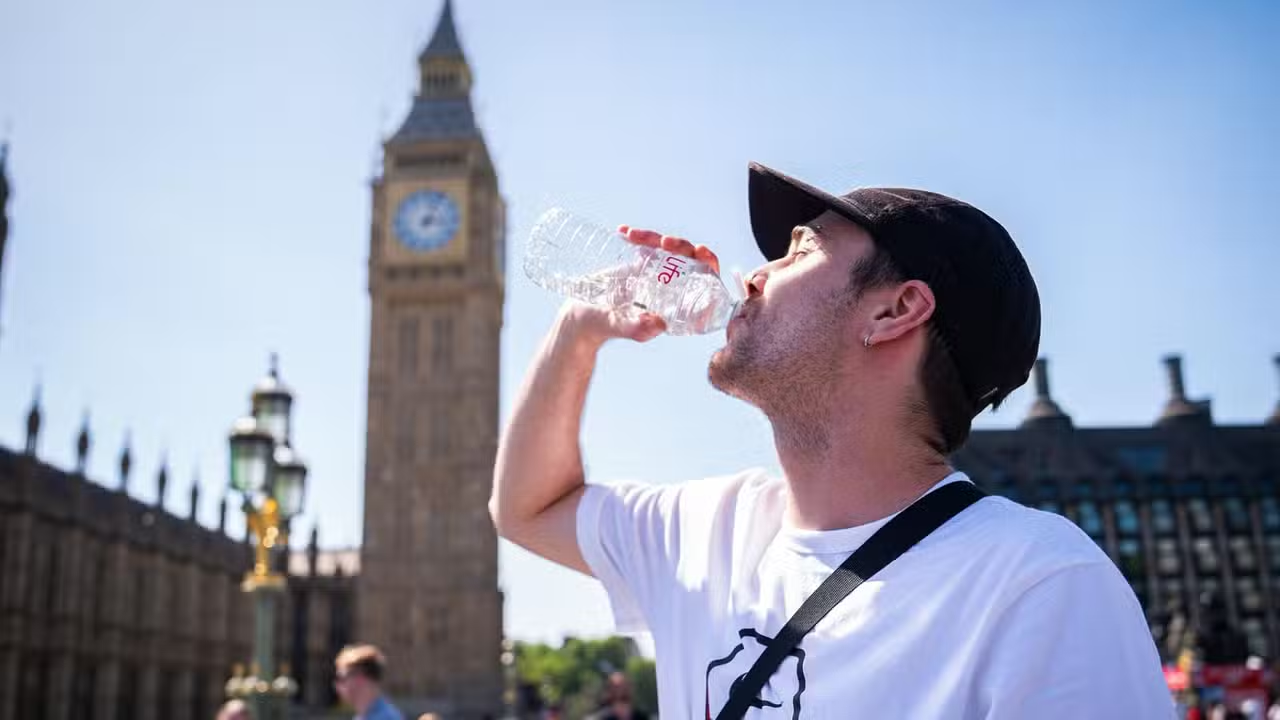
Thousands of residents across southeast England were left without access to running water or experienced significantly reduced water pressure after a record-breaking heatwave placed unprecedented strain on the region’s water supply network.
The disruption came as soaring temperatures and increased household demand followed one of the driest springs in recent years, exposing vulnerabilities in the United Kingdom’s aging water infrastructure. Authorities reported that more than 20,000 people were affected at the peak of the crisis.
One of the worst-hit areas was the coastal town of Whitstable, where approximately 8,000 residents temporarily lost their water supply. The outage forced many households to rely on emergency water distribution points, with long queues forming as people collected bottled water and essential supplies.
Water providers said the extreme weather conditions led to a sharp surge in consumption, placing significant pressure on supply systems that were already under stress due to prolonged dry conditions. The combination of high temperatures and increased demand created operational challenges for utility companies attempting to maintain consistent service.
Officials acknowledged that the incident highlighted broader concerns about the resilience of Britain’s water infrastructure. Experts have repeatedly warned that aging networks, population growth, and increasingly frequent extreme weather events could place greater pressure on essential services in the years ahead.
Residents affected by the shortages expressed frustration over the disruption, particularly during a period of unusually hot weather when access to water is critical for health and daily activities. Emergency response teams worked alongside water companies to provide support and restore normal service as quickly as possible.
The situation has also renewed debate about long-term investment in the country’s water systems. Industry analysts argue that modernizing infrastructure and improving storage capacity will be essential to managing future climate-related challenges and ensuring reliable water supplies for communities.
Climate experts have warned that heatwaves are becoming more frequent and intense due to changing weather patterns, increasing the likelihood of similar disruptions in the future. As temperatures continue to rise, utility providers may face growing pressure to strengthen infrastructure and improve resilience against extreme conditions.
While water services have gradually been restored in most affected areas, the incident serves as a reminder of the challenges posed by climate change, rising demand, and aging public infrastructure. Policymakers and utility companies are expected to face increasing calls to address these issues before future heatwaves place even greater strain on essential services.