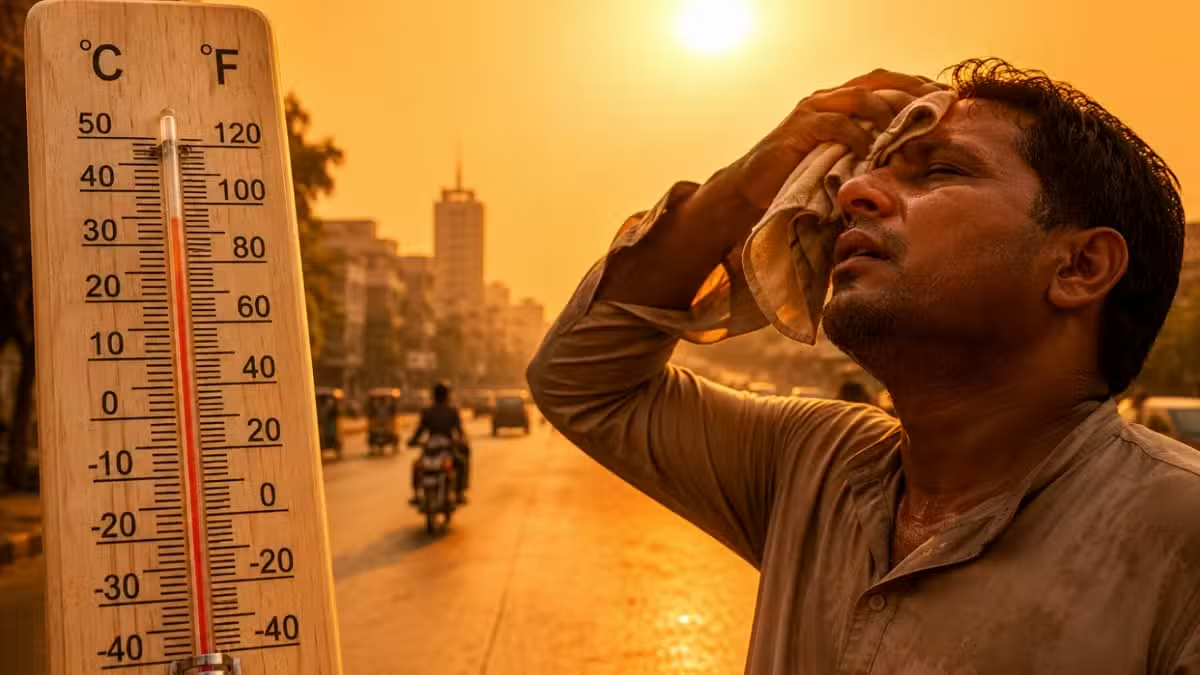
Health Experts Warn of Deadly Heatstroke Risk Amid Pakistan Heatwave
Health experts have issued an urgent warning as an intense heatwave continues to affect large parts of Pakistan, cautioning that prolonged exposure to extreme temperatures can lead to heatstroke, a potentially fatal medical emergency.
According to medical professionals, heatstroke is one of the most serious heat-related illnesses and requires immediate treatment. Experts warn that the condition can carry a mortality rate ranging from 10 to 80 percent, depending on how quickly a patient receives medical attention and cooling treatment.
People who spend extended periods outdoors during the hottest hours of the day are considered most vulnerable. Outdoor workers, elderly individuals, children, and those with underlying health conditions face a significantly higher risk during periods of extreme heat.
Health specialists emphasize that delayed treatment can dramatically increase the likelihood of severe complications and death. However, early diagnosis and rapid cooling measures can substantially improve survival rates and reduce the risk of long-term health consequences.
Common symptoms of heatstroke include a dangerously high body temperature, dizziness, confusion, headache, nausea, rapid heartbeat, and loss of consciousness. In severe cases, heatstroke can cause organ failure and require emergency hospitalization.
Medical experts advise the public to avoid unnecessary outdoor activities during peak afternoon hours, stay hydrated throughout the day, and seek shade or air-conditioned environments whenever possible. Wearing lightweight, loose-fitting clothing and avoiding strenuous physical activity during extreme heat can also help reduce the risk.
Authorities and healthcare professionals are urging citizens to pay close attention to early warning signs of heat-related illnesses. Immediate medical assistance should be sought if an individual shows symptoms of heatstroke, as prompt intervention can be lifesaving.
Pakistan regularly experiences extreme temperatures during the summer months, but climate experts have noted that heatwaves are becoming more frequent and intense. This trend has increased concerns about public health, particularly in densely populated urban areas where heat exposure can be more severe.
As temperatures continue to soar, health officials are encouraging communities to remain vigilant, check on vulnerable family members and neighbors, and follow safety guidelines to prevent heat-related emergencies.