Pakistan’s Non-Life Insurance Market Estimated at $1 Billion as Digitalization Drives New Opportunities
Pakistan’s non-life insurance sector has an estimated market size of around $1 billion, while the wider potential for insurance and protection services is estimated at approximately $90 billion, according to TPL Insurance CEO Muhammad Aminuddin.
Aminuddin shared the figures while speaking during the Securities and Exchange Commission of Pakistan (SECP) Talk Series, which focused on the future, growth and digital transformation of the country’s insurance industry.
The discussion highlighted the role of digital technology and artificial intelligence (AI) in expanding access to insurance and developing products suited to changing consumer needs.
Aminuddin said a large portion of Pakistan’s population and assets remains uninsured, creating significant room for the insurance industry to expand. He noted that around 97 percent of registered vehicles currently remain without insurance coverage.
The growing use of residential solar systems is also creating a new category of assets that could require insurance protection. Changes in lifestyles, employment patterns, mobility and consumer behavior are similarly generating demand for new forms of coverage.
According to the TPL Insurance CEO, opportunities could emerge in areas including health coverage, income protection and insurance products designed around newer forms of financial and personal risk.
He emphasized that insurers will need to move beyond traditional distribution methods if they want to reach more customers. Products could increasingly be integrated into services and platforms that consumers already use.
Embedded insurance and usage-based pricing are among the models that could help make insurance more accessible. Digital distribution could also reduce barriers by allowing customers to discover, purchase and manage insurance services through online platforms.
Artificial intelligence and connected technologies may further change how insurers assess risks and interact with customers. AI could support risk evaluation, pricing, customer engagement and the development of more personalized insurance products.
Smart wearables and other connected devices could provide insurers with additional data that may help improve risk assessment and product design, although their wider adoption will also depend on appropriate safeguards and regulatory standards.
Aminuddin stressed that technological development alone would not be sufficient to transform the sector. He pointed to the need for regulatory frameworks that address issues such as data ownership, data access, liability and information sharing.
Consumer confidence was also highlighted as an important factor in increasing insurance penetration. Greater transparency, simpler procedures and confidence in fair and timely claims settlement could encourage more people to participate in the formal insurance system.
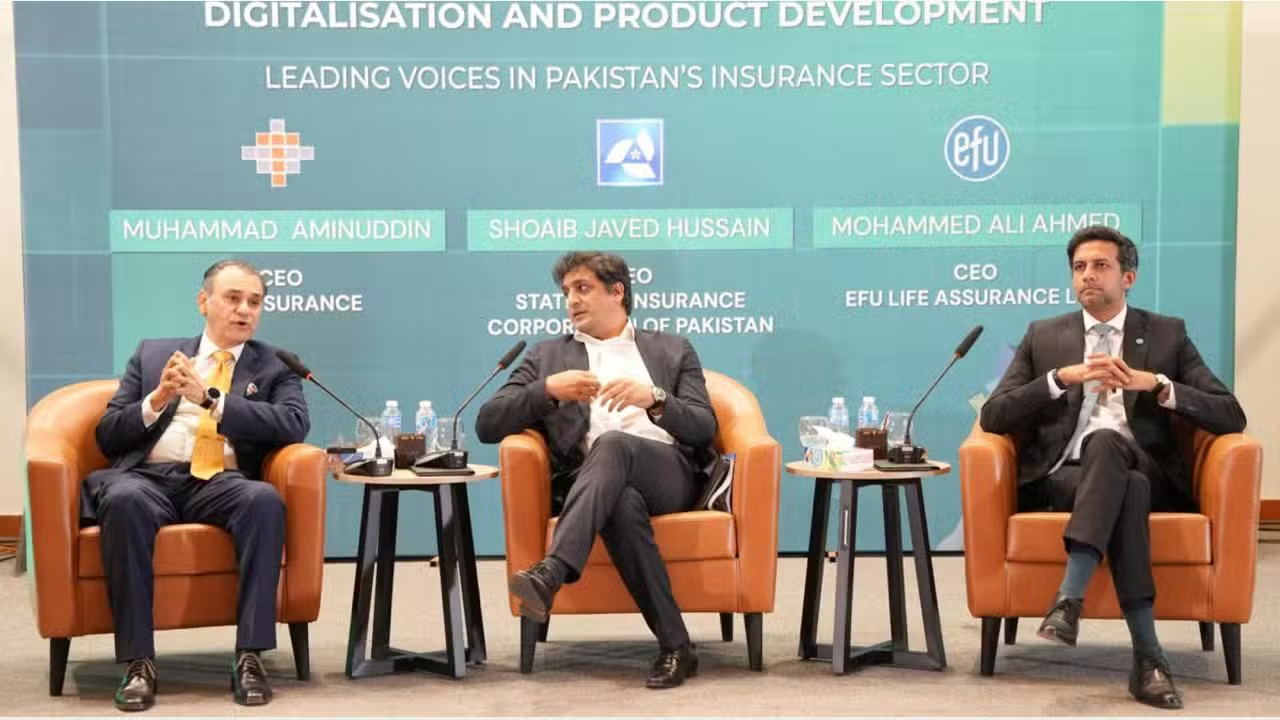
The SECP session brought together senior figures from Pakistan’s insurance industry, including SECP Chairman Dr. Kabir Ahmed Sidhu, State Life Insurance Corporation of Pakistan CEO Shoaib Javed Hussain and EFU Life Assurance CEO Mohammed Ali Ahmed.
The participants discussed several issues affecting the future of insurance in Pakistan, including digital insurance products, claims settlement, third-party motor insurance, AI adoption, retirement solutions and technology-driven products.
JazzWorld acquired a controlling stake in TPL Insurance in July 2026 as part of its broader strategy to expand digital insurance and protection services in Pakistan.
The development brings insurance capabilities into a wider digital ecosystem covering connectivity, fintech and digital platforms. The strategy is aimed at using technology, digital distribution and scale to improve access to essential services.
Pakistan’s relatively low insurance penetration, combined with the emergence of new asset classes and changing consumer behavior, is creating opportunities for insurers to develop products beyond conventional coverage.
The future growth of the sector will depend on how effectively insurers, technology companies and regulators address these opportunities while maintaining consumer protection, data safeguards and efficient claims processes.