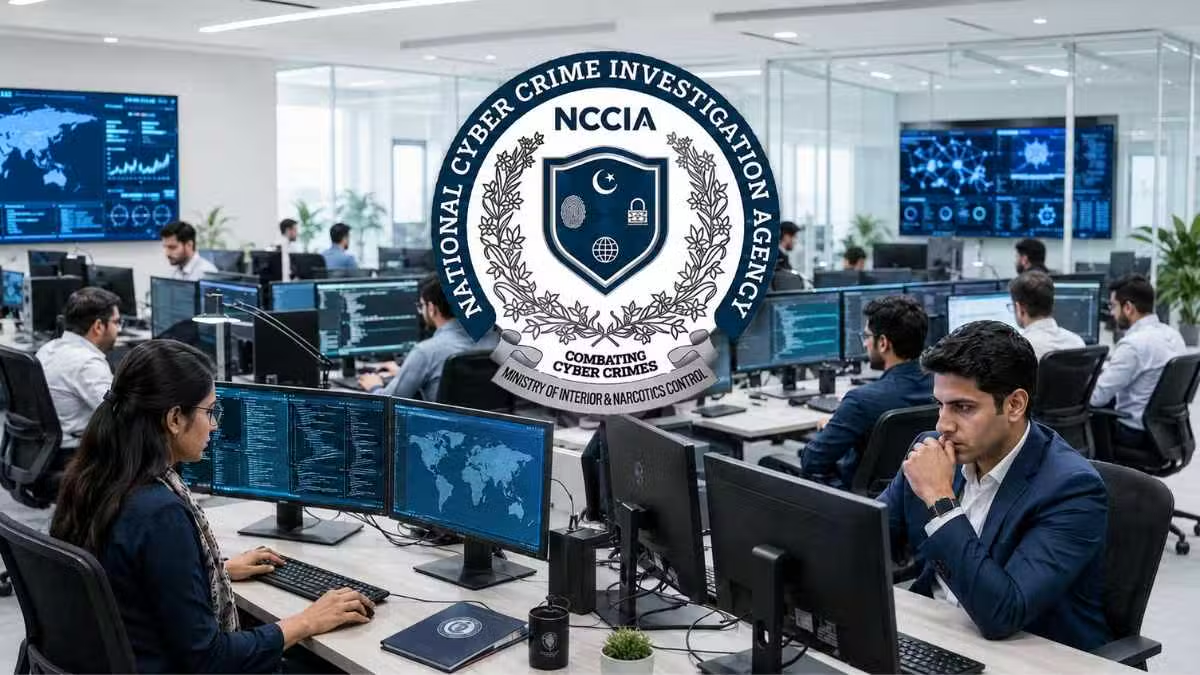
DG NCCIA Orders Digitization of Records During Multan Circle Visit
National Cyber Crime Investigation Agency (NCCIA) Director General Syed Ali Nasir Rizvi has visited the agency’s Multan Circle as part of an inspection of its operational and administrative facilities.
During the visit, the NCCIA chief reviewed the functioning of several important sections and assessed arrangements related to public complaints, investigations and case management.
According to 24NewsHD TV, Rizvi inspected the front desk, reporting center, investigation wing and record room at the Multan Circle office. The inspection covered areas directly involved in receiving complaints and handling cybercrime cases.
The DG also reviewed the arrangements made for complainants visiting the office. Particular attention was given to seating facilities and the overall setup intended to provide a more organized environment for people seeking assistance from the agency.
Maintenance of case records was another key area reviewed during the inspection. Proper management of investigation records is important for maintaining accurate case information and ensuring that relevant documents can be accessed when required.
Rizvi directed officials to move toward the digitization of records, signaling an effort to modernize the agency’s record management system. Digitized records can help reduce reliance on physical files while making information management more systematic.
The move could also support faster retrieval of case-related information and improve the organization of records maintained by the agency. Digital recordkeeping is increasingly being adopted by law enforcement and government institutions to streamline administrative processes.
The inspection of the Multan Circle also provided an opportunity to review the working environment and facilities available to both officials and complainants. Such inspections can help identify areas where operational arrangements may need improvement.
The NCCIA is responsible for dealing with cybercrime-related complaints and investigations in Pakistan. As online activities continue to expand, cybercrime investigation agencies face growing demands for efficient complaint handling and case management.
The emphasis on digitizing records could become an important part of efforts to improve the agency’s internal processes. A more organized digital system may assist officials in managing large volumes of information associated with cybercrime investigations.
The Multan Circle visit reflects the NCCIA leadership’s focus on reviewing field offices and their operational arrangements. The inspection covered both public-facing facilities and internal record management, with digitization highlighted as a priority.
For complainants, improved reporting facilities and organized case records can contribute to a more structured process when approaching the agency. Further implementation of digital record systems will determine how effectively the initiative improves the management of cybercrime cases.