Suthra Punjab Faces Questions Over Garbage Collection in Taxila
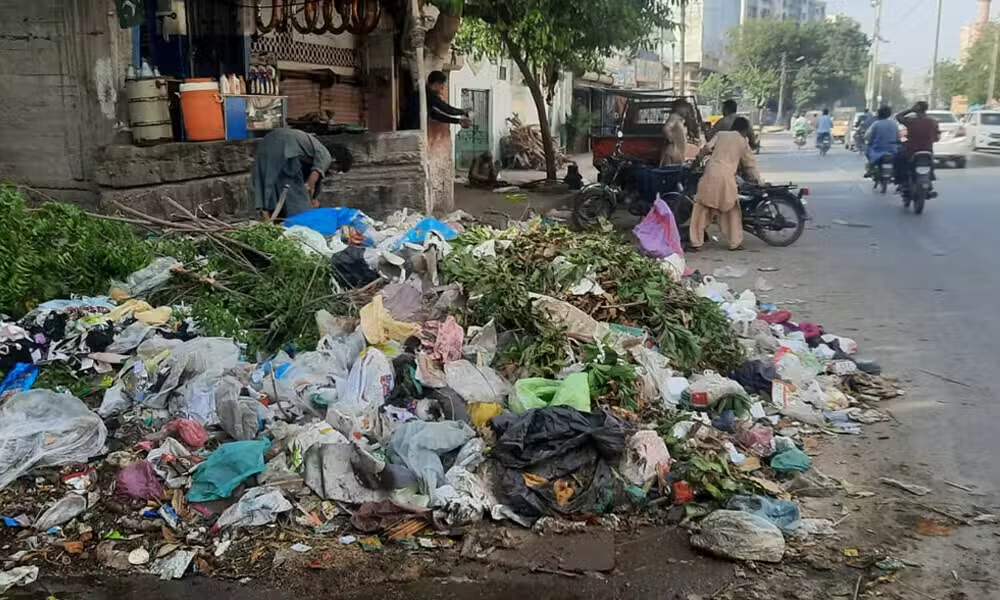
Waste management concerns have emerged in Taxila as residents and traders report growing piles of garbage at different locations across the city.
The situation has raised questions about waste collection and supervision under the Suthra Punjab programme, with locals calling for more regular removal of household and commercial waste.
According to residents, garbage has been accumulating at several points because collection services have reportedly remained irregular. The unattended waste has become a growing nuisance for people living and working in affected areas.
The issue has also drawn attention because some of the accumulated garbage is reportedly being burned in public. Open burning of waste can contribute to air pollution and create health and environmental concerns, particularly in populated areas.
Residents say the reported burning is especially troubling amid repeated government directives aimed at controlling smog and activities that contribute to deteriorating air quality.
Instead of being left in open areas or burned, waste needs to be collected regularly and transported for proper disposal. Effective waste management is particularly important in busy urban areas where large amounts of household and commercial waste are generated every day.
Local traders have also expressed concern about the impact of accumulated garbage on commercial areas. Uncollected waste can create unpleasant conditions for customers, businesses and pedestrians while also increasing the risk of further littering.
The situation has placed renewed focus on the implementation of waste collection services in Taxila. Residents are seeking improved monitoring and timely action so that garbage does not remain on roadsides and other public locations for extended periods.
Waste burning is another concern because smoke from burning rubbish can worsen local air quality. Authorities have repeatedly emphasized measures to control sources of air pollution, particularly during periods when smog levels become a serious concern.
For residents, consistent collection remains a key part of addressing the problem. They expect waste management teams to ensure that garbage is removed from designated collection points on schedule and that complaints about missed collections receive timely attention.
The reports from Taxila also highlight the importance of coordination between local authorities, waste management teams and the public. Proper disposal depends not only on collection services but also on responsible waste handling and compliance with environmental regulations.
As concerns continue to be raised, residents and traders are looking toward the relevant authorities for stronger supervision and more consistent waste collection across affected areas of Taxila.
Improving waste removal and preventing the open burning of garbage could help maintain cleaner public spaces while also supporting efforts to reduce air pollution and protect the local environment.