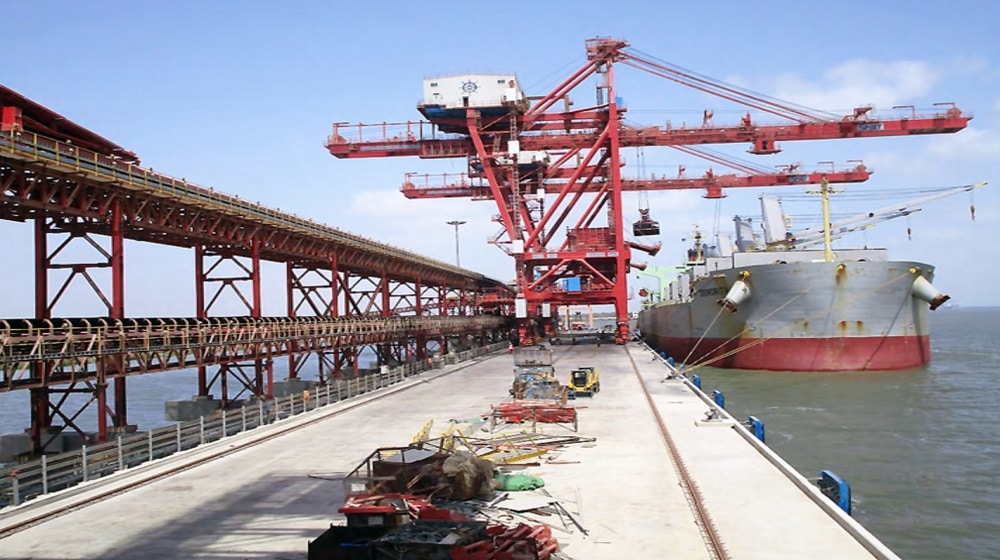
Pakistan Ports Handle Over 179,000 Tons of Cargo Amid Strait of Hormuz Tensions
Maritime trade activity in Pakistan remained steady as major ports collectively handled 179,335 metric tons of cargo in a single day, despite heightened regional uncertainty linked to tensions around the Strait of Hormuz.
The performance highlights the resilience of Pakistan’s shipping and logistics sector at a time when global supply chains continue to face geopolitical pressure. Key port operations continued without disruption, ensuring smooth movement of imports and exports through critical trade routes.
The Karachi Port Trust processed the bulk of the cargo, handling 142,182 metric tons over the past 24 hours. As the country’s largest and busiest seaport, Karachi Port plays a central role in managing containerized goods, industrial imports, and export shipments.
Meanwhile, Port Qasim Authority recorded 37,153 metric tons of cargo activity during the same period. The port continued to see strong inflows, particularly in bulk commodity shipments.
A significant portion of activity at Port Qasim was driven by coal imports, with multiple vessels arriving from Mozambique, Indonesia, and South Africa. Combined shipments exceeded 270,000 metric tons, reflecting ongoing demand for energy-related imports in Pakistan.
Coal remains a key component of Pakistan’s energy mix, feeding power plants and industrial operations. The steady arrival of bulk carriers underscores the importance of uninterrupted maritime logistics in supporting the country’s energy needs.
Despite broader concerns surrounding regional maritime security, particularly in strategic waterways like the Strait of Hormuz, port authorities in Pakistan have maintained normal operations. Industry observers note that sustained cargo handling volumes indicate stability in trade flows and supply chain management.
The consistent throughput at both Karachi Port and Port Qasim also reflects the country’s reliance on seaborne trade for essential imports and export earnings. Efficient port operations remain critical for maintaining economic continuity amid external uncertainties.
As global shipping dynamics evolve, Pakistan’s ports are expected to remain under close watch, especially given their strategic importance in connecting regional and international trade routes.