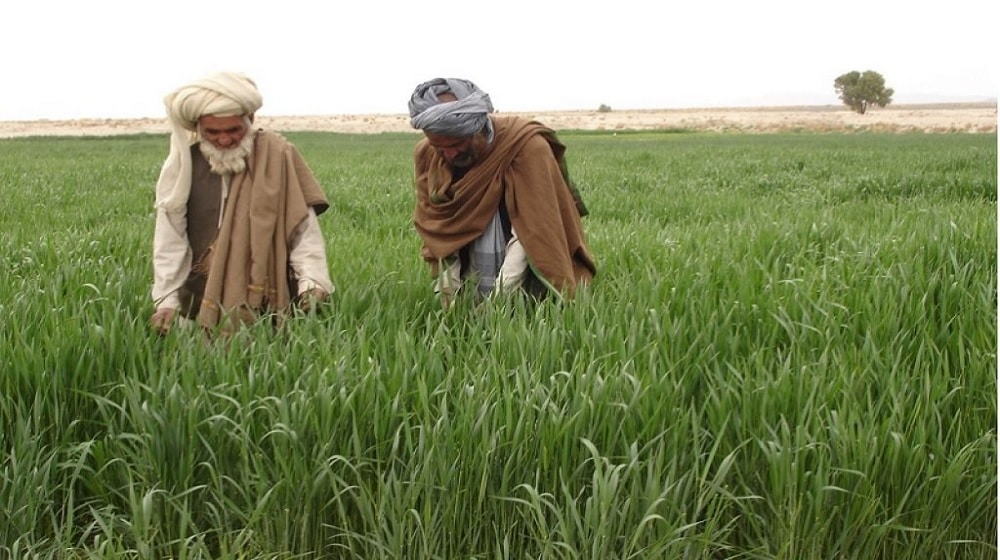
The federal government has decided to postpone the proposed increase in taxes on fertilizer and pesticides, providing temporary relief to Pakistan’s agriculture sector and farmers already facing rising production costs.
According to recent developments, the government has formally informed the International Monetary Fund in writing that the planned tax hike will not be implemented for the time being.
The decision comes amid concerns that additional taxes on agricultural inputs could place further financial pressure on farmers and negatively impact crop production across the country. Fertilizer and pesticides are considered essential components of Pakistan’s agricultural economy, and any increase in their prices often directly affects farming expenses.
Sources indicate that policymakers are attempting to balance economic reform commitments with the need to protect the agriculture sector from sudden financial burdens. The delay is being viewed as a temporary measure aimed at supporting farmers while broader fiscal discussions continue.
Agriculture remains one of Pakistan’s most important economic sectors, contributing significantly to employment, exports, and food security. Rising input costs have been a major concern for farmers in recent years due to inflation, fuel prices, and currency fluctuations.
Industry stakeholders had expressed worries that higher taxes on fertilizer and pesticides could lead to increased food prices and reduced agricultural productivity. Farmer associations and agricultural experts repeatedly urged the government to reconsider the proposed measures before implementation.
The decision to delay the tax increase is expected to provide short-term stability for farmers preparing for upcoming crop seasons. However, uncertainty remains regarding whether the tax proposal could return in future economic policy discussions.
Pakistan has been engaged in ongoing negotiations and financial coordination with the IMF regarding fiscal reforms, taxation policies, and economic stabilization measures. Such reforms often involve efforts to increase revenue collection and reduce budget deficits.
Economic analysts say the government may continue exploring alternative revenue-generation strategies while attempting to avoid direct pressure on key sectors such as agriculture. Officials are likely to review the broader economic impact before making any final decision regarding taxation on agricultural products.
The agriculture sector has repeatedly called for long-term policy support, including subsidies, affordable inputs, and stable taxation policies to help farmers maintain productivity and manage operational costs effectively.
For now, the postponement has been welcomed by many within the farming community, who believe the decision could help ease financial pressure during a challenging economic period.
The government has not yet announced a new timeline regarding when the proposed tax measures may be reconsidered.