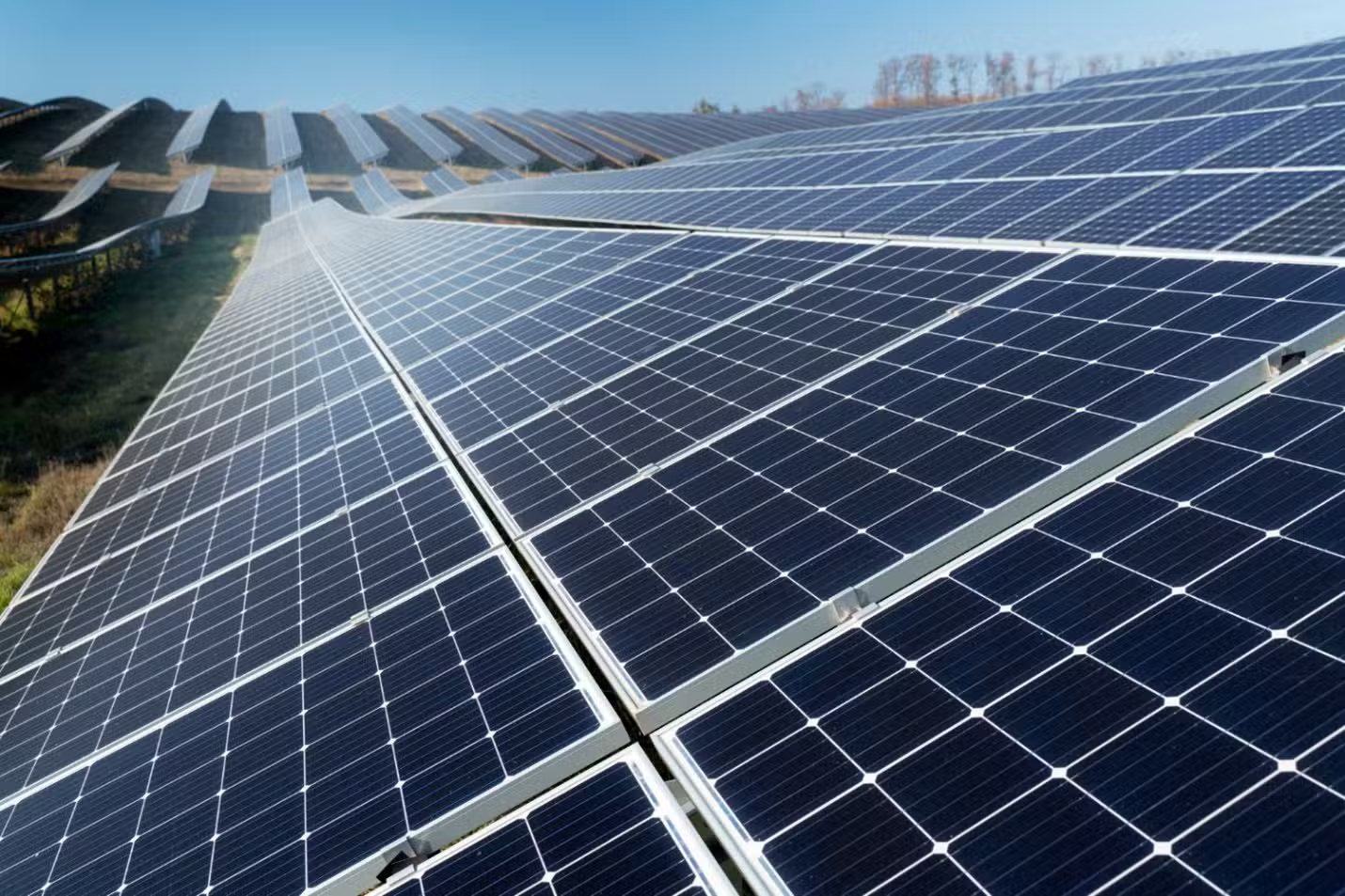
Pakistan’s rapid shift toward solar power is creating a growing challenge for the country’s traditional electricity market, as households and businesses increasingly generate their own electricity instead of relying entirely on the national grid.
Official documents cited by ProPakistani show that electricity demand declined by 8.66 percent year-on-year. Several distribution companies (DISCOs) also recorded lower electricity sales between April and June, with some reporting declines of around 10 percent.
The falling demand highlights a major change in Pakistan’s power sector. Consumers are increasingly turning to solar energy as an alternative source of electricity, particularly as high power costs continue to put pressure on household and business budgets.
Rooftop solar systems allow consumers to generate electricity during daylight hours and reduce their dependence on grid-supplied power. For businesses with significant daytime electricity consumption, solar installations can provide an opportunity to lower energy expenses.
The trend is also changing the traditional relationship between consumers and electricity distribution companies. Instead of purchasing all their electricity from the grid, solar-equipped consumers can meet part of their demand through their own generation.
This shift is becoming increasingly important for Pakistan’s power generation business model. The country has invested heavily in power plants and electricity infrastructure, while the costs associated with maintaining generation capacity remain a major part of the overall power system.
When electricity demand falls, power producers and distribution companies can face greater pressure to recover fixed costs. This is particularly significant in a market where power-sector financial challenges and capacity payments have remained major concerns.
The decline in electricity sales across several DISCOs suggests that the movement toward distributed solar generation is no longer limited to a small group of consumers. More households and businesses are adopting solar systems as technology becomes increasingly accessible.
Pakistan’s solar boom is also linked to the country’s abundant sunlight and the growing availability of rooftop solar solutions. Falling equipment costs in previous years helped make solar systems more attractive to consumers seeking long-term alternatives to expensive grid electricity.
However, the rapid expansion of solar power also creates challenges for the national grid. Lower electricity consumption from traditional customers can affect the financial sustainability of distribution networks and power generation companies if the existing cost structure remains unchanged.
At the same time, solar energy can reduce pressure on the grid during daylight hours and provide consumers with greater control over their electricity costs. The challenge for policymakers is finding a way to integrate this growing source of distributed generation without destabilizing the wider power sector.
The decline in electricity demand therefore represents more than a short-term change in consumption. It could signal a structural transformation in Pakistan’s energy market as consumers increasingly invest in alternatives to conventional grid electricity.
With solar adoption continuing to grow, Pakistan’s power sector may need to reconsider how electricity generation, distribution costs and consumer demand are managed. The changing market could ultimately push power companies and policymakers toward a more flexible and consumer-focused electricity system.