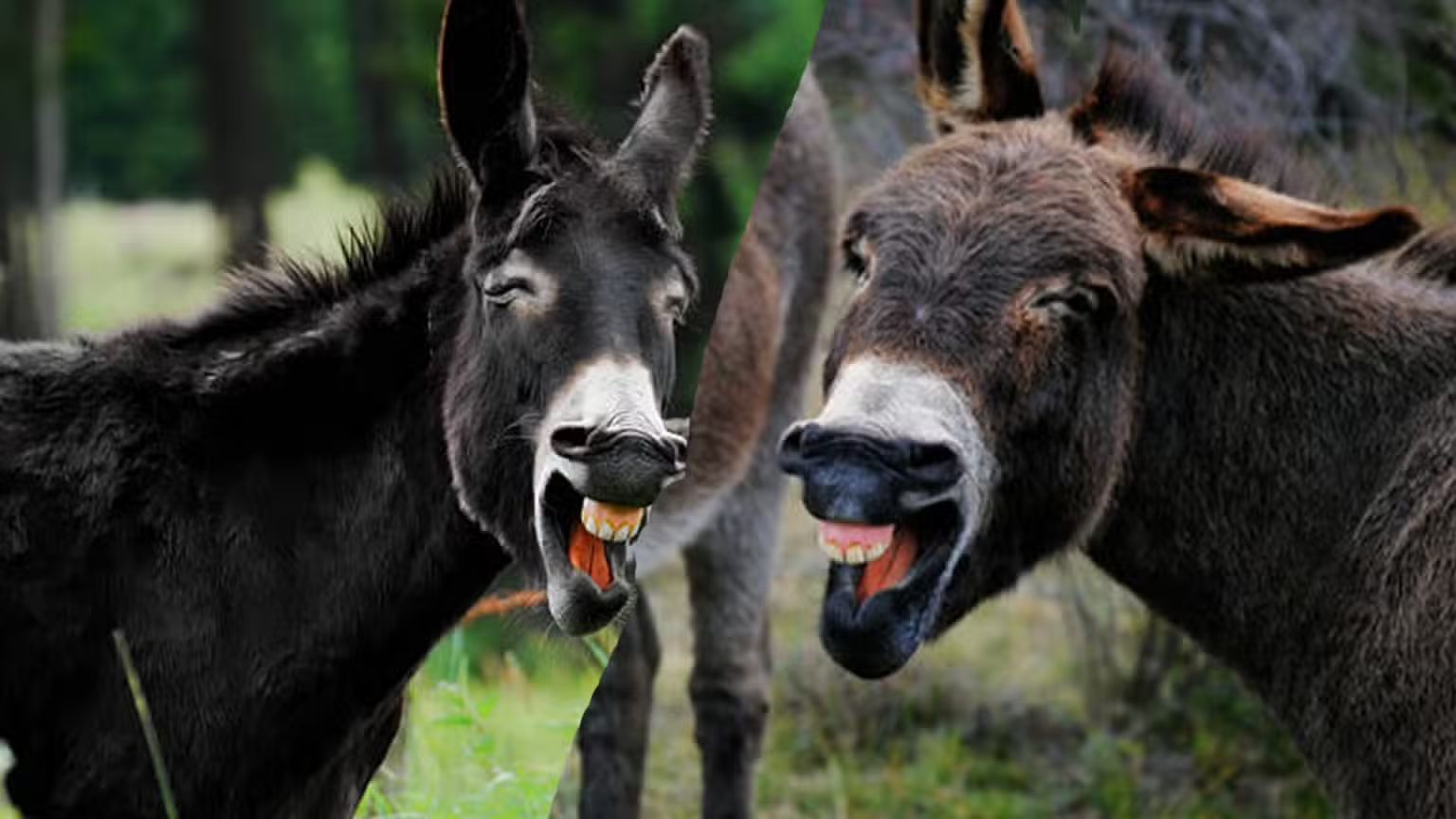
Pakistan’s Donkey Population Reaches 6.2 Million, Growing by 200,000 in a Year
Pakistan’s donkey population has recorded a notable increase over the past year, reaching 6.2 million animals, according to the Pakistan Economic Survey 2025-26. The latest figures highlight continued growth in the country’s livestock sector, which remains an important contributor to the rural economy and agricultural activities.
Official data released in the survey shows that the number of donkeys, listed as asses in livestock statistics, increased from 6.0 million in 2024-25 to 6.2 million in 2025-26. The rise of 200,000 animals reflects steady expansion within a segment that continues to play a key role in transportation, agriculture, and labor-intensive work, particularly in rural areas.
Donkeys remain a valuable asset for many households across Pakistan, especially in regions where mechanized transport is limited. They are commonly used for carrying goods, agricultural produce, construction materials, and water, making them an important source of support for low-income communities.
The Economic Survey also indicates broader growth across Pakistan’s livestock industry. The cattle population increased to 61.96 million during FY2025-26, while buffalo numbers reached 49.1 million. Both categories continue to form the backbone of the country’s dairy and meat production sectors.
Similarly, the sheep population expanded to 33.5 million, while goats climbed to 91.8 million, reinforcing Pakistan’s position as one of the region’s major livestock-producing countries. These animals contribute significantly to food security, rural livelihoods, and agricultural income generation.
Meanwhile, populations of camels, horses, and mules remained relatively stable compared to the previous year. While these animals represent a smaller share of the overall livestock sector, they continue to serve important economic and transportation functions in specific regions of the country.
Livestock is one of the most important components of Pakistan’s agricultural economy. The sector provides employment opportunities for millions of people and supports industries linked to dairy products, meat processing, leather production, and animal trade.
Experts believe that the continued growth in livestock numbers reflects strong demand for animal-based products and the sector’s resilience despite economic challenges. Increased investment in animal health, breeding programs, and modern farming practices could further improve productivity and support rural development.
The latest livestock statistics underline the importance of the sector in sustaining economic activity across Pakistan, particularly in rural communities where livestock ownership remains a critical source of income and financial stability.