Rising Petroleum Levy Identified as Key Factor Behind Pakistan’s Inflation Surge
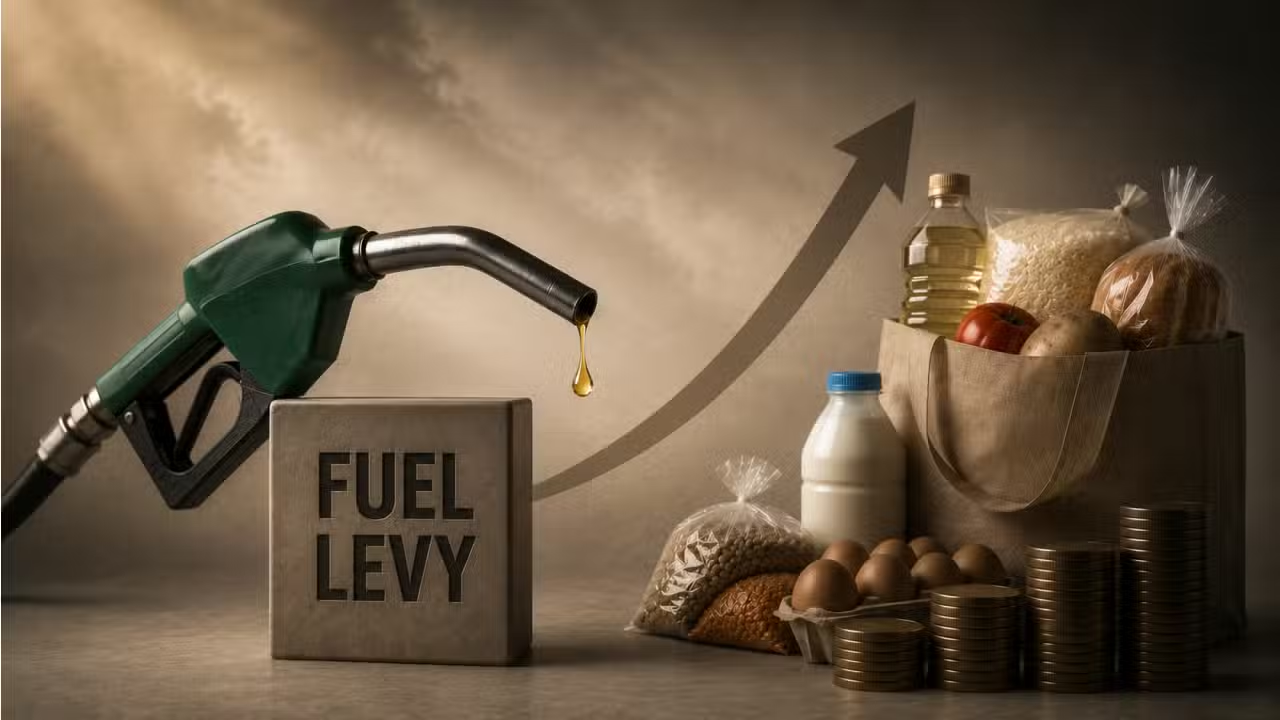
Pakistan’s recent return to double-digit inflation is increasingly being attributed to higher fuel taxation, with a new study suggesting that the government’s expanding use of the petroleum levy has played a significant role in driving up prices across the economy.
A report published by the Policy Research and Advisory Council (PRAC) argues that the petroleum levy, originally intended to help manage fuel pricing and fiscal stability, has gradually transformed into one of the government’s most important revenue-generating tools. According to the research, repeated increases in the levy have directly raised fuel costs and indirectly increased transportation, manufacturing, and distribution expenses.
The study highlights a strong connection between rising petroleum taxes and the recent acceleration in inflation. Pakistan’s inflation rate climbed from 7.3 percent in March to 10.9 percent in April before reaching 11.7 percent in May. Researchers noted that this upward trend coincided with a significant increase in the petroleum levy imposed on petrol products.
According to the report, the levy on petrol rose to Rs. 117.4 per litre in May, placing an additional financial burden on consumers and businesses. Economists involved in the study argue that higher fuel prices tend to affect nearly every sector of the economy because transportation and energy costs are embedded in the production and delivery of goods and services.
The findings suggest that consumers were unable to fully benefit from periods of declining international oil prices. While global crude markets experienced phases of easing prices, increases in domestic fuel taxes offset much of the potential relief that could have been passed on to households and businesses.
Experts warn that the continued reliance on petroleum-related taxation may contribute to broader inflationary pressures. When fuel costs rise, businesses often transfer those additional expenses to consumers through higher prices on everyday products, including food, household goods, and transportation services.
The PRAC report also challenges the view that inflation is primarily being fueled by excessive consumer spending or strong domestic demand. Instead, researchers argue that policy-driven increases in fuel taxation have become an increasingly important contributor to rising prices, particularly during a period when economic growth remains relatively constrained.
The debate surrounding fuel taxation comes at a time when policymakers are balancing revenue collection needs with concerns about the cost of living. The government has relied heavily on petroleum levies to strengthen fiscal resources, but economists caution that such measures can have wider economic consequences if they continue to push up production and transportation costs.
As inflation remains a major concern for households and businesses alike, the report is expected to add momentum to discussions about alternative revenue strategies and the long-term impact of fuel taxation on Pakistan’s economic stability.