Pakistan Forced to Buy Costliest LNG Cargo in Four Years as Global Supply Tightens
Pakistan has been compelled to purchase one of its most expensive liquefied natural gas (LNG) cargoes in the past four years as geopolitical tensions in the Middle East continue to disrupt global energy markets. The latest procurement reflects the growing pressure on LNG-importing countries as supply constraints push spot prices higher across Asia.
According to a Bloomberg report, Pakistan LNG Limited (PLL) recently secured an LNG cargo for delivery in late July at approximately $21.88 per million British thermal units (mmBtu). The purchase represents Pakistan’s highest LNG import price since 2022 and underscores the impact of rising international energy costs on the country’s import bill.
The surge in LNG prices has been linked to the ongoing conflict involving the United States and Iran, which has heightened uncertainty in global energy markets. The tensions have disrupted shipping activity and tightened supplies, forcing import-dependent countries to pay significantly higher prices to secure fuel.
Pakistan is not the only nation facing higher procurement costs. Bangladesh has also reportedly purchased at least one LNG cargo for August at similarly elevated prices, highlighting the broader regional impact of the supply shortage across South Asia.
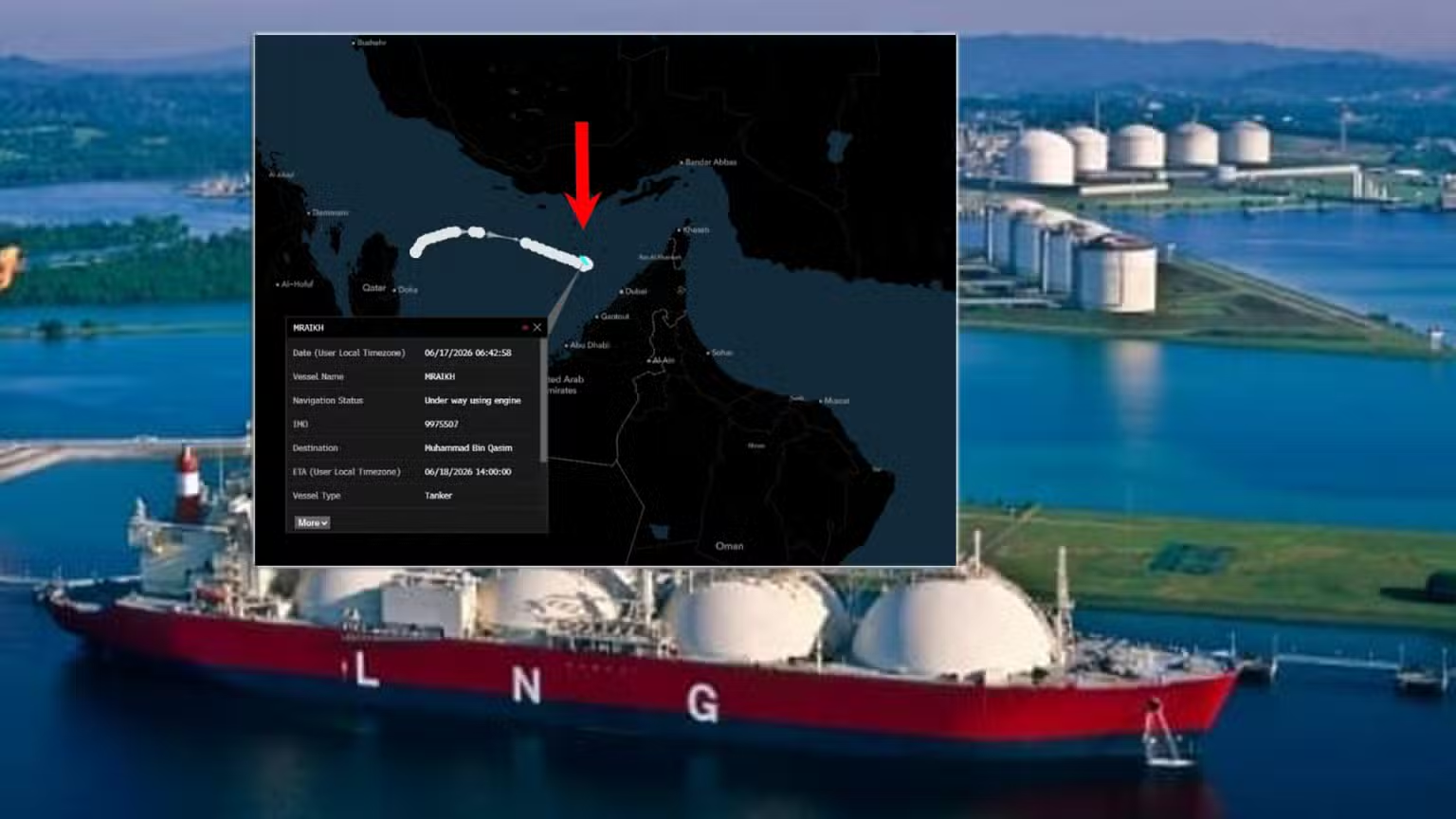
A major factor behind the price spike is the disruption of shipping through the Strait of Hormuz, one of the world’s most strategically important maritime routes. The narrow waterway handles nearly 20 percent of global LNG trade, making any disruption a significant concern for energy-importing nations.
Delays or restrictions in the Strait of Hormuz have reduced the availability of spot LNG cargoes, creating intense competition among buyers. As a result, countries relying heavily on imported natural gas have been forced to accept higher prices to ensure uninterrupted energy supplies.
For Pakistan, the timing is particularly challenging. The country continues to depend on imported LNG to meet domestic demand for electricity generation, industrial production, and household consumption. Rising LNG prices increase the financial burden on the government while also putting pressure on foreign exchange reserves and the overall energy sector.
Higher import costs could eventually influence electricity generation expenses and energy pricing, although any changes would depend on government policy decisions and regulatory approvals. Energy experts note that prolonged increases in international fuel prices may complicate Pakistan’s efforts to manage inflation and maintain fiscal stability.
The latest LNG purchase also highlights the vulnerability of global energy markets to geopolitical developments. Even localized conflicts can quickly affect international supply chains, resulting in higher costs for countries that rely on imported fuel to meet their energy needs.
Market analysts will continue monitoring developments in the Middle East, particularly around the Strait of Hormuz, as any further disruption could lead to additional increases in LNG prices. For Pakistan, ensuring reliable energy supplies while managing import costs will remain a key challenge in the months ahead.