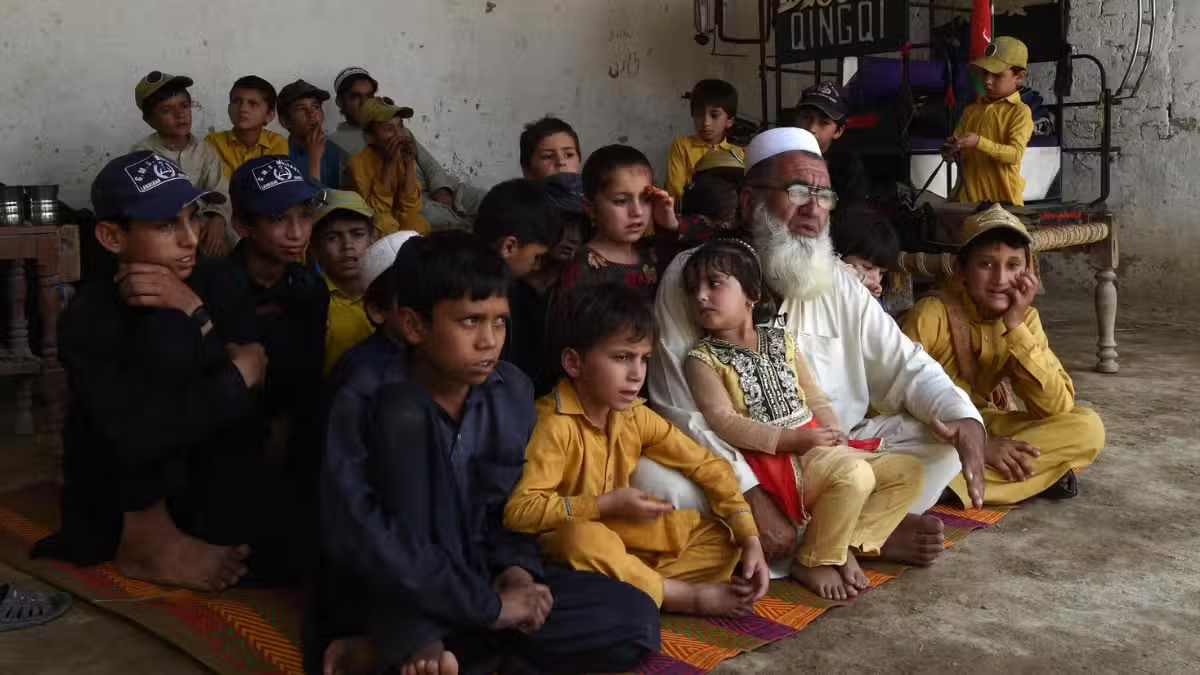
Pakistan’s rapidly increasing population is no longer just a public health or economic issue but has emerged as a significant national security concern that demands a unified national response, according to the United Nations Population Fund (UNFPA).
Speaking at a media briefing ahead of World Population Day 2026, UNFPA Pakistan Representative Dr. Luay Shabaneh emphasized that the country’s population has reached an estimated 257.2 million, placing growing pressure on healthcare, education, employment, housing, and natural resources.
Dr. Shabaneh noted that nearly one-third of Pakistan’s population is between the ages of 10 and 24, making the country’s youth one of its greatest strengths. However, he stressed that without sufficient investment in education, healthcare, skills development, and employment opportunities, this demographic advantage could become a major development challenge.
The UNFPA representative called for a coordinated national strategy involving political leaders, government institutions, the military, religious scholars, civil society organizations, and the media. He said addressing rapid population growth requires collective action rather than isolated efforts by individual sectors.
According to UNFPA, sustainable population management is closely linked to improving access to quality healthcare, family planning services, women’s education, and reproductive health awareness. Strengthening these areas can help families make informed decisions while supporting broader economic and social development.
Experts believe Pakistan’s expanding population is placing increasing strain on public services and infrastructure. Rising demand for schools, hospitals, clean water, energy, transportation, and employment opportunities continues to challenge policymakers as urbanization accelerates across the country.
UNFPA also highlighted the importance of empowering young people through education, vocational training, and economic inclusion. With millions of youth expected to enter the workforce in the coming years, strategic investment in human capital could help drive innovation, productivity, and long-term economic growth.
The organization reiterated that population trends should be viewed through a development lens, where informed policymaking, equal opportunities, and improved access to essential services can contribute to national stability and prosperity.
As Pakistan marks World Population Day 2026, UNFPA has urged stakeholders to prioritize policies that support sustainable development while ensuring that the country’s growing population becomes an asset rather than a burden. Officials say coordinated planning today will play a crucial role in shaping Pakistan’s social and economic future for decades to come.