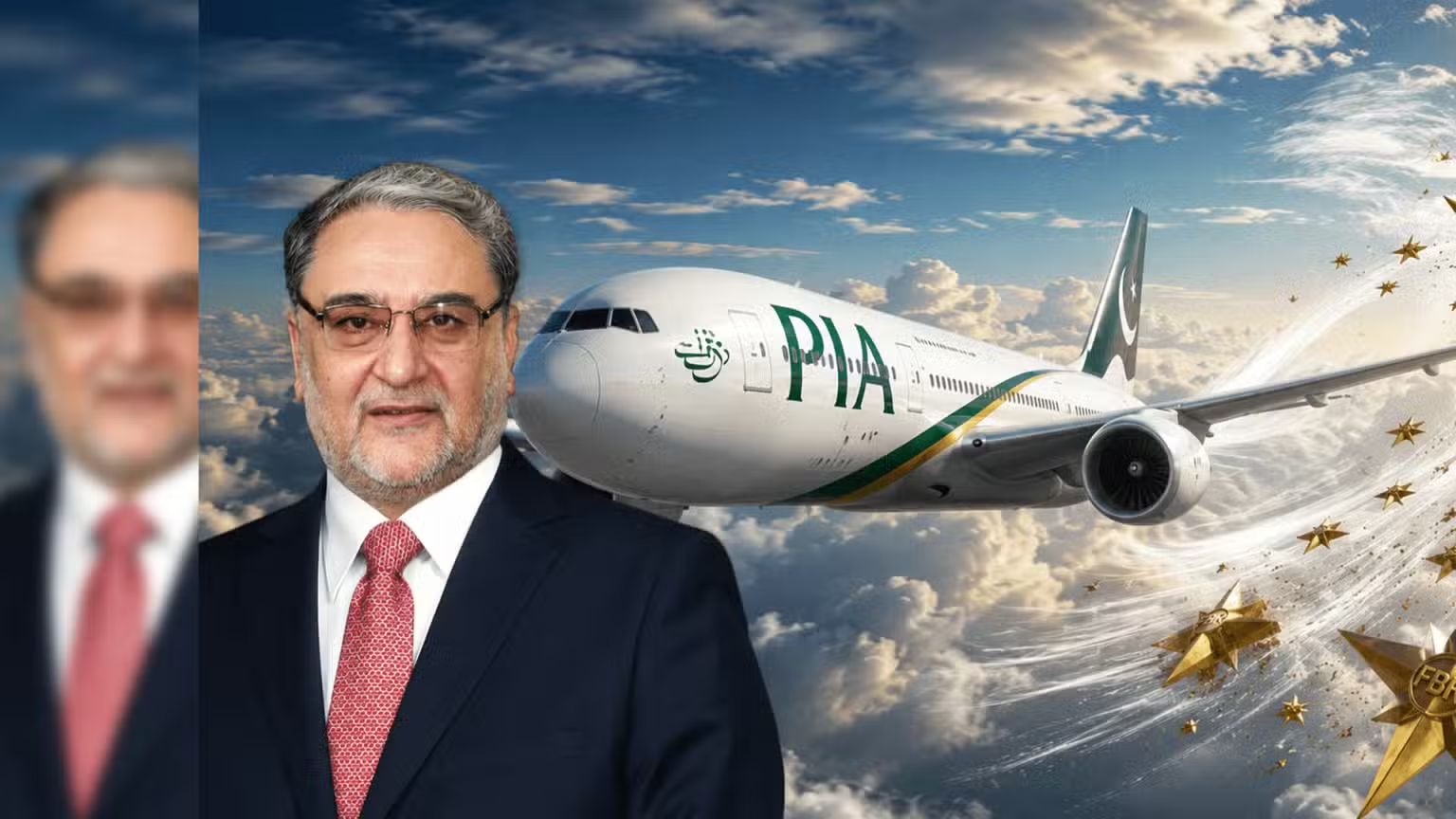
The privatization of Pakistan International Airlines (PIA) has raised fresh questions about how much of the national carrier’s financial burden has actually been transferred to private ownership.
While PIA has moved into private hands, its historical losses and legacy debt have not necessarily followed the airline to the same extent. This has created a debate over whether the privatized carrier is receiving favorable treatment from the government.
The issue has become increasingly important as PIA enters its first months under private ownership. The central question is whether privatization has truly shifted the airline’s financial risks to its new owners or whether taxpayers could continue carrying part of the burden.
PIA has faced financial difficulties for years, with accumulated losses, debt, operational inefficiencies, and other liabilities placing significant pressure on the airline. These challenges were among the major reasons behind efforts to restructure and eventually privatize the national carrier.
Under a privatization model, transferring ownership to private investors is generally expected to reduce the government’s direct financial responsibility. However, the treatment of old liabilities can determine how much of that burden is actually removed from public finances.
The distinction between the airline’s operational business and its legacy obligations is therefore critical. If older debts and liabilities remain with the government or another public entity, the private operator may begin its operations with a substantially cleaner financial position.
This arrangement can help a new management team focus on improving the airline’s operations, fleet utilization, customer service, and commercial performance. However, it can also raise concerns about whether the public is effectively absorbing the costs accumulated before privatization.
PIA’s future performance will be closely watched because the airline remains an important part of Pakistan’s aviation sector. Its international routes, domestic connectivity, workforce, and brand make its transformation significant for both the aviation industry and passengers.
The privatization process was intended to bring greater efficiency and reduce the financial pressure associated with running a state-owned airline. Whether those objectives are achieved will depend not only on the performance of the private management but also on the financial structure agreed during the transition.
Questions about special treatment are likely to remain as long as there is uncertainty over which liabilities have been transferred and which remain with the government. Greater transparency about the airline’s financial arrangements could help clarify the responsibilities of the private owners and the state.
The issue also highlights a broader challenge in Pakistan’s public-sector reforms. Privatizing an organization does not automatically eliminate its accumulated financial problems. The terms of the transaction determine who ultimately bears the cost of past losses and debt.
For PIA, the coming months will provide an important test. If the privately managed airline improves its financial and operational performance while reducing its dependence on public support, the privatization could strengthen the case for reform.
If significant financial obligations continue to fall on the government, however, questions about the true benefits of the deal are likely to persist.
The debate over PIA is therefore about more than ownership. It is also about accountability, transparency, legacy debt, taxpayer exposure, and whether privatization delivers the financial relief that was promised.